What Actually Separates Artificial Turf Installers in Buford, GA
Your Search Started With a Frustration, Not Curiosity
If you’re typing “artificial lawn grass turf near me” into your phone right now, you probably didn’t arrive here out of idle interest. Maybe it’s the water bill after another summer of keeping fescue alive through a Buford heat wave. Maybe it’s the mud your dog drags in after a July storm rolls through Gwinnett County, or the patchy front yard that keeps you mowing every weekend instead of doing anything else with your Saturday. Whatever brought you here, the real task now isn’t finding an installer. It’s figuring out which one actually understands what a Buford yard needs before you sign anything.
Not every company that shows up in that search does the same work underneath the grass. Here’s what separates a properly built lawn from one that looks fine for a season and then causes problems.
The Base Matters More Than the Grass Itself
Ask any installer bidding your project one direct question: what’s going under the turf? If the answer is anything close to “we roll it out over your existing soil,” that’s worth pausing on. Georgia’s clay-heavy soil already drains poorly, and turf installed straight onto dirt tends to develop wrinkles, low spots, and standing water within a season or two.
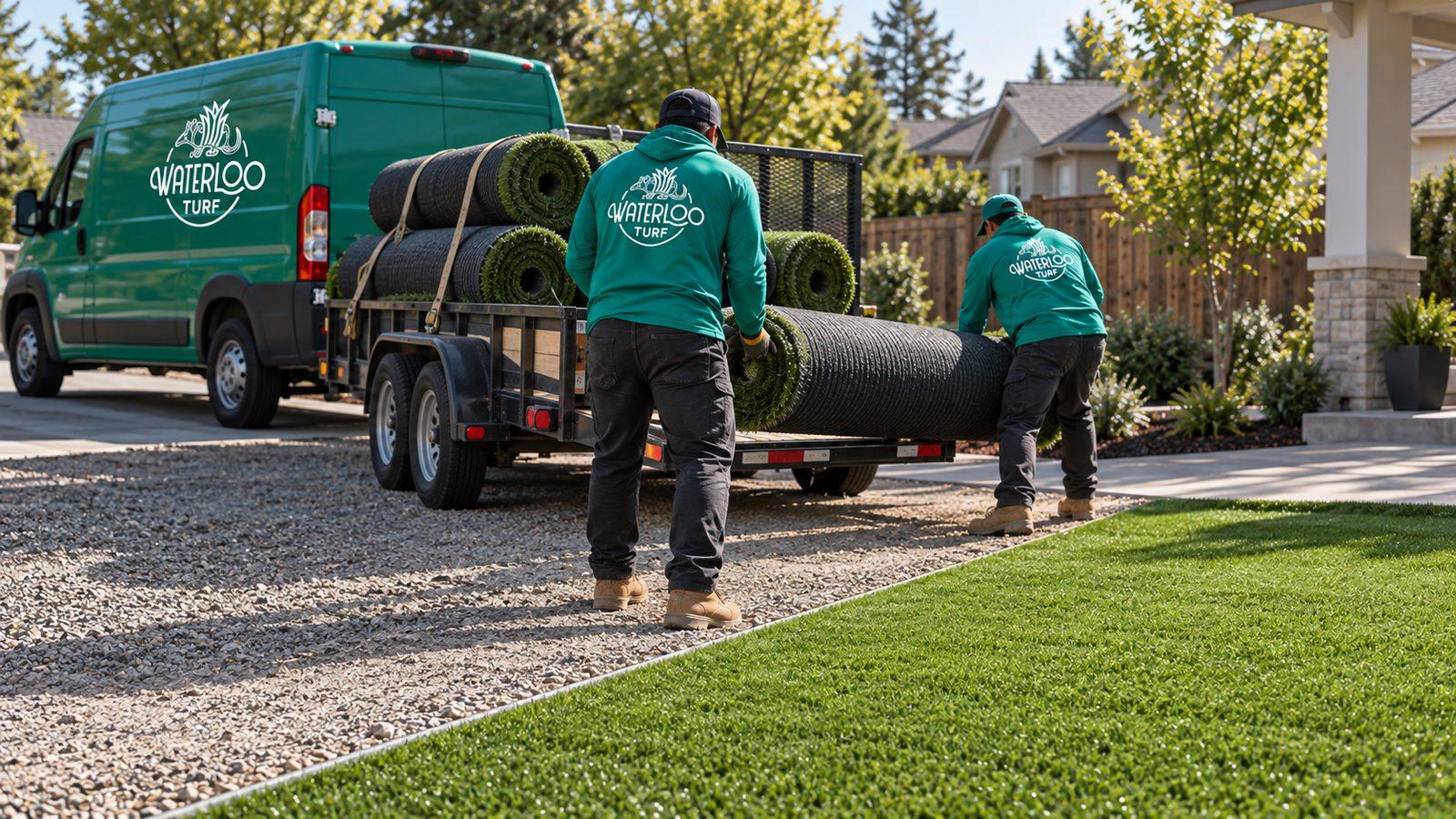
Waterloo Turf won’t install directly onto soil. The process involves excavating the area and compacting a crushed stone or decomposed granite base underneath, built specifically to mimic natural drainage patterns and keep the surface from shifting later. It’s a step that takes longer and costs more up front than skipping it, which is exactly why some installers skip it.
Irrigation Lines Don’t Just Disappear Under Turf
One detail homeowners often don’t think to ask about: your existing sprinkler system. If those lines stay active under artificial turf, you can end up watering plastic, and paying for it every month. As part of the installation process, existing irrigation lines running through the turf area get capped off, which removes that ongoing water cost from the equation entirely rather than leaving it as an afterthought.
HOA Approval Is a Buford-Specific Hurdle
A meaningful number of Buford neighborhoods operate under active HOAs with covenants that address lawn appearance, materials, or landscaping changes. Before committing to a company, ask directly whether they’ve worked through HOA approval processes in your specific subdivision, or at least in comparable Buford communities. An installer who treats this as a surprise rather than a routine part of the timeline is one more variable you’re taking on yourself.
Heat, Fading, and What UV Stabilization Actually Does
Georgia summers are hard on synthetic materials that aren’t built for direct, sustained sun exposure. Waterloo Turf uses UV-stabilized, non-toxic, lead-free materials designed to hold color and structure for 12 to 20 years in hot climates, but that lifespan depends on the product quality installed, not just the brand name on the invoice. It’s reasonable to ask what specific fiber and backing materials a company uses and how they’re rated for heat performance, rather than accepting “premium” as a description without specifics.
One detail that’s easy to overlook: low-e windows on nearby homes can reflect concentrated sunlight onto certain areas of a yard, creating hot spots that stress turf fibers faster than ambient sun alone. Assessing for this before installation, rather than after a customer notices a discolored patch, is part of doing the site evaluation correctly the first time.
Pet Odor and Drainage Are Related Problems
Pet odor complaints after turf installation are almost always a drainage issue, not a turf-quality issue. If water and waste don’t move through the base properly, odor sits and builds. This is another reason base construction isn’t a place to cut corners, a properly compacted crushed stone or decomposed granite layer allows liquid to pass through rather than pool at the surface. If a company can’t explain how their base handles drainage under a specific pet-heavy yard, that’s worth pressing on before installation, not after.
Pools, Decking, and What’s Already in Your Yard
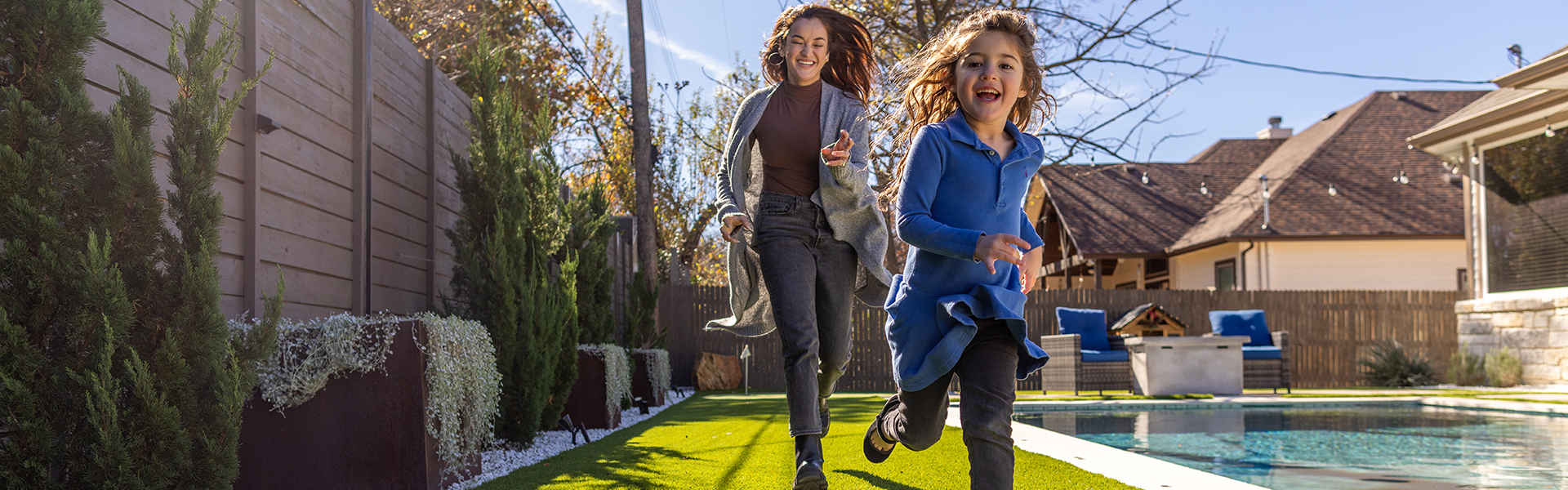
Existing hardscape (pool decking, patios, retaining walls) changes how water moves across a property. Drainage needs to be planned around what’s already there, not treated as a separate problem to solve later. A site visit that actually walks the yard and accounts for pools, decking edges, and existing landscaping beds tells you more about an installer’s process than any brochure will.
Low Maintenance Is Not the Same as No Maintenance
One clarification worth stating plainly: artificial turf is low maintenance, not zero maintenance. It still needs occasional rinsing and light brushing, particularly in pet areas, to keep it performing the way it’s supposed to. The value isn’t that it requires nothing. It’s that it requires far less than a natural lawn competing against Georgia summers, and that’s where the “Saturdays back” idea actually holds up under scrutiny rather than as a slogan.
FAQs
Does artificial turf handle Buford’s humid summers without odor or mold problems?
Odor and mold issues are almost always tied to inadequate base drainage rather than the turf material itself. A properly excavated and compacted base is what prevents standing moisture underneath the surface.
Do I need HOA approval before installing artificial grass in a Buford neighborhood?
Many Buford communities do require it. Confirm with your specific HOA and ask your installer whether they’ve navigated approval processes in comparable neighborhoods before work begins.
What happens to my existing sprinkler system?
Lines running through the turf installation area are capped off so they’re no longer in use, which removes the ongoing water cost of running irrigation under synthetic grass.
How long does artificial turf actually last in Georgia’s climate?
UV-stabilized, non-toxic materials are built to perform for 12 to 20 years in hot climates, though actual lifespan depends on material quality, installation base, and how the area is used.
Getting a Quote That Actually Addresses Your Yard
A quote that doesn’t mention base material, HOA requirements, irrigation capping, or drainage planning around your existing hardscape hasn’t actually assessed your yard. It’s a generic estimate. If you’re comparing options in Buford, request an on-site visit and ask each company to walk through these specifics before you decide. You can see Waterloo Turf’s local reviews and reach the Buford team directly through the Waterloo Turf Google Business Profile or the Buford service page to schedule that walkthrough.
Request an on-site yard assessment from Waterloo Turf’s Buford team to get a quote that accounts for your soil, irrigation, HOA requirements, and drainage before any work begins.
Back