
What Actually Changes an Artificial Grass Quote in Buford, GA
Why Two Buford Quotes for the Same Size Yard Can Look Nothing Alike
A homeowner in a Buford subdivision gets two quotes for roughly the same backyard (same square footage, same general layout) and the numbers don’t come close to matching. That’s not a sign one company is padding the bill. It usually means the two estimates aren’t measuring the same scope of work. Square footage tells you how much turf gets rolled out. It doesn’t tell you what happens underneath it, what gets capped, protected, or planned around before installation day, or which grade of material is going down. Those variables move the number more than the size of the yard does.
The Base Build Is Where Most of the Cost Variance Starts
Waterloo Turf doesn’t install turf directly onto existing soil, and that’s a firm line, not a cost-saving option we offer. Georgia’s clay-heavy soil holds water and shifts with temperature swings, which is exactly the combination that causes turf to wrinkle, pool water, or settle unevenly within a season or two if it’s laid on dirt. The Waterloo Turf Way means excavating that soil and compacting a crushed stone or decomposed granite base engineered to drain the way natural, healthy soil would. How deep that excavation needs to go, and how much base material a yard requires, depends on existing drainage, grading, and soil condition, which is why base prep is usually the single biggest variable between two quotes for the same square footage. A quote that skips this step, or glosses over base depth, is quoting a different project than one that specifies it.
Site Obstacles That Add Labor Hours Before Turf Ever Goes Down
Most Buford yards aren’t flat, empty rectangles, and the obstacles in them show up as line items. Existing irrigation is one of them, our installation teams specifically cap off irrigation lines running through the turf area so the system is fully disconnected rather than just buried, which eliminates the water cost of running sprinklers under turf you’ll never need to water again. That capping work takes time and should appear on any honest quote that touches an irrigated lawn.
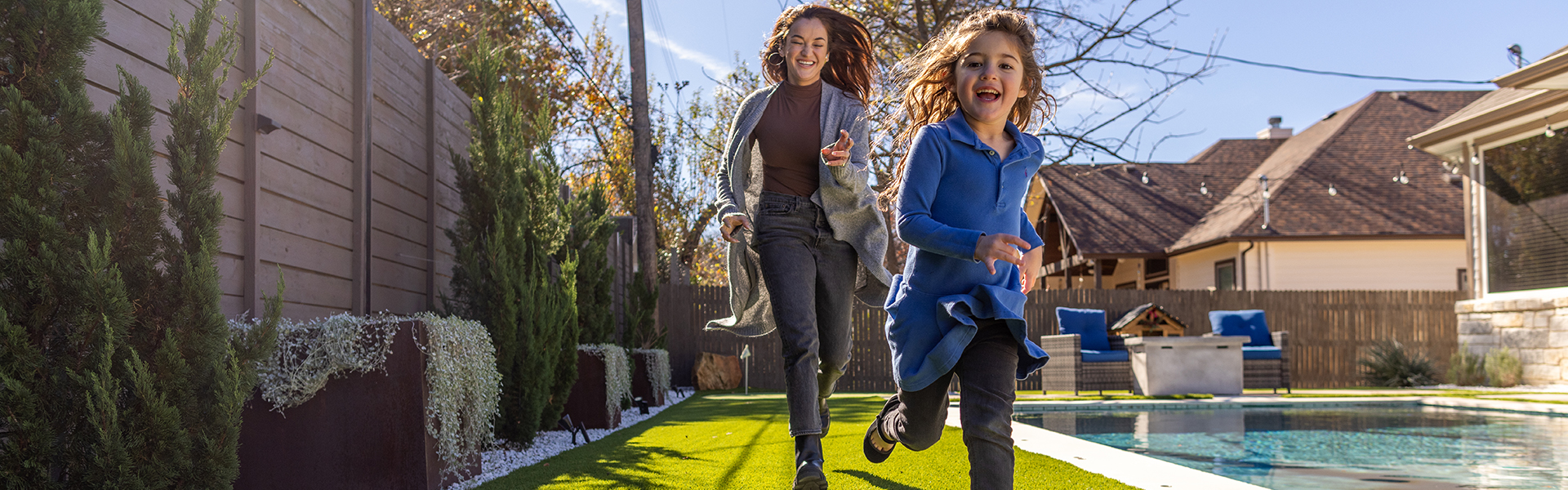
Pool decking, patios, and other hardscape are another factor. Before installation, the yard gets assessed for how water will move around existing pool edges and hardscape once turf replaces the grass that used to absorb it, planning drainage around those features is part of the job, not an afterthought. In yards near large low-e windows, we also check for reflected light intensity, since concentrated reflections can affect synthetic surfaces over time and may change how a section is planned. None of this is upselling; it’s the difference between a quote built from a walkthrough and one built from a square-footage guess.
Turf Type and Infill Change the Line Item, Not Just the Look
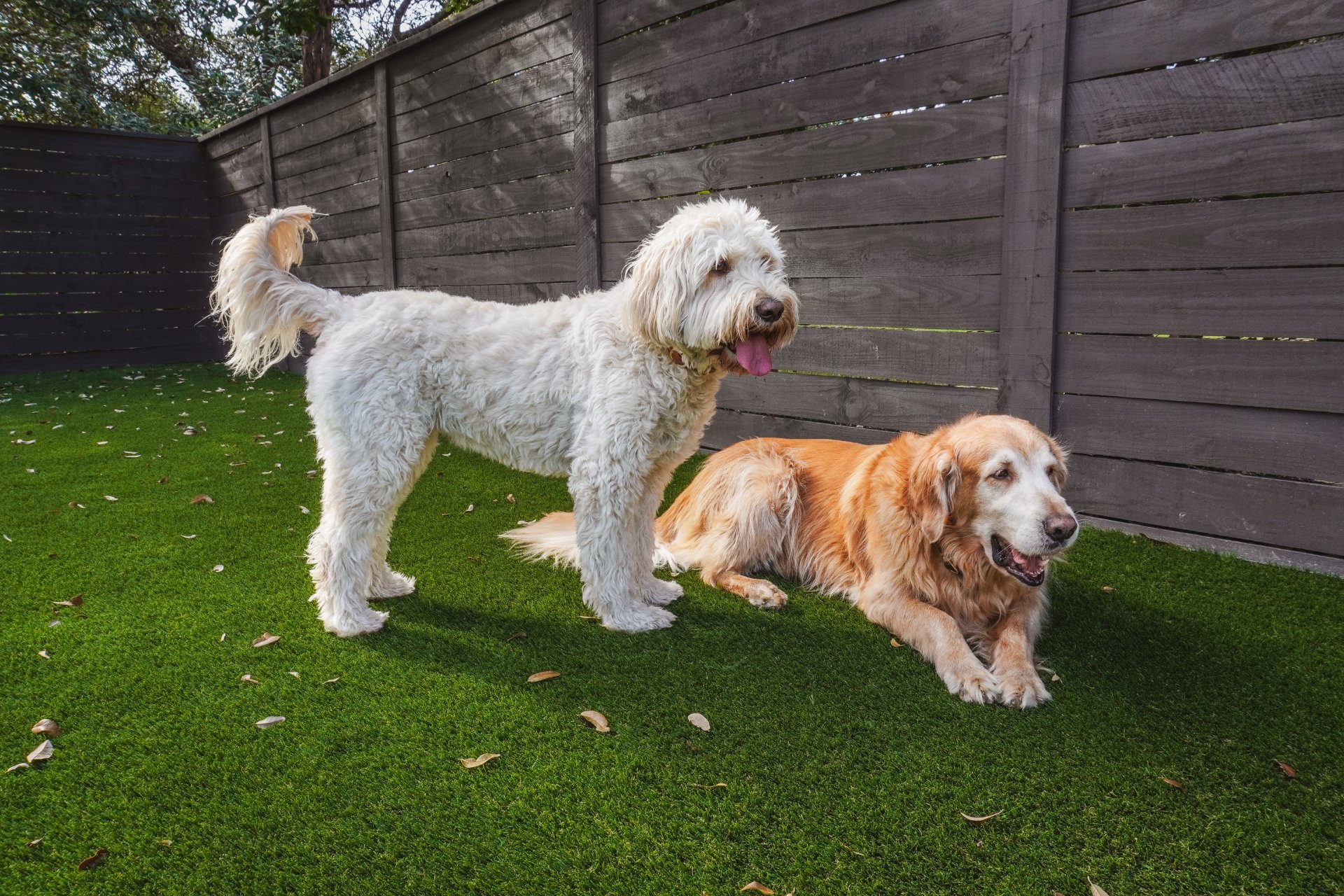
What the turf is for changes what goes into it. Pet turf typically pairs with infill chosen for drainage and odor control, which matters in Georgia’s humidity where moisture sitting in the wrong backing is what causes smell complaints in the first place. A putting green calls for a different backing and a flatter, more precise grading process than a standard lawn. Playground turf gets specified for safety and fall-zone performance. Commercial and sports turf needs a denser pile built for repeated foot traffic rather than a resting lawn. All of our turf lines use non-toxic, lead-free materials with UV-stabilized fiber built to hold up in hot climates for a 12 to 20-year range, but which line, which backing, and which infill a yard needs depends on how it’s actually going to be used, and that choice shows up directly in the estimate.
One honest clarification we’ll always make: artificial turf is low maintenance, not zero maintenance. It still needs occasional rinsing and light brushing to perform the way it’s supposed to, especially in pet areas. Any estimate that implies otherwise isn’t being straight with you.
HOA Documentation in Buford Neighborhoods Adds Time, Not Guesswork
Several Buford and Gwinnett County HOAs have specific requirements around pile height, color, and drainage before approving synthetic turf, and that review process affects project timing more than it affects price. If your neighborhood has an architectural review committee, it’s worth asking any installer upfront whether they provide the documentation (product specs, drainage plan, material safety information) that your HOA typically wants to see, so you’re not stalled mid-project waiting on paperwork nobody prepared for.
Matching Line Items When You Compare Two Buford Estimates
If you’re holding two quotes side by side, the number at the bottom means less than what’s underneath it. Confirm each quote specifies the base material and excavation depth, not just “base prep included.” Check whether irrigation capping is listed as a task or assumed to not exist. Look for how drainage around pools, patios, or existing hardscape is addressed, if those features are present. Confirm the turf line and infill type match the actual use (pet area, putting surface, play area, or general lawn) rather than a single generic product across the whole yard. And ask whether disposal of existing sod and soil is included in the price or billed separately. A lower number that’s silent on these points usually means a smaller scope, not a better deal.
FAQs
Will artificial turf wrinkle or hold water in Buford’s clay soil? It can, if it’s installed on top of that soil without a proper base. That’s the reason Waterloo Turf excavates and compacts a crushed stone or decomposed granite base on every project rather than laying turf directly on dirt.
Does capping irrigation lines actually save money, or is it just disconnecting the system? Capping fully seals off the lines running through the turf area so the system isn’t just buried and forgotten. It stops water from being sent to an area that no longer needs it, which is where the ongoing savings come from.
Will turf fade or degrade faster in Georgia’s summer heat? UV-stabilized fiber is built to resist fading under sustained heat and sun exposure, which is part of why our turf lines are rated for a 12 to 20-year range in hot climates. Yards with intense reflected light from low-e windows get assessed separately, since concentrated reflection is a different kind of heat exposure than direct sun.
Does Waterloo Turf provide paperwork for HOA approval? We can provide product and drainage documentation for HOA review when it’s needed. Requirements vary by neighborhood, so it’s worth raising this during your yard assessment rather than after a quote is finalized.
If my yard already has drainage issues near the pool, does that change my quote? Yes. Drainage around existing pools and hardscape gets planned before installation, and yards with pre-existing drainage challenges typically need more attention at the base-prep stage, which affects the estimate.
Cost variance on turf projects usually comes down to what a yard actually needs underneath and around it, not guesswork. Request a measured, on-site assessment of your Buford yard so your quote reflects your actual base, irrigation, and drainage conditions rather than a square-footage estimate.
Back