Pet Turf, Putting Greens, and Playground Turf: Why the Base Work Matters More Than the
One yard, three different turf jobs, one shared question
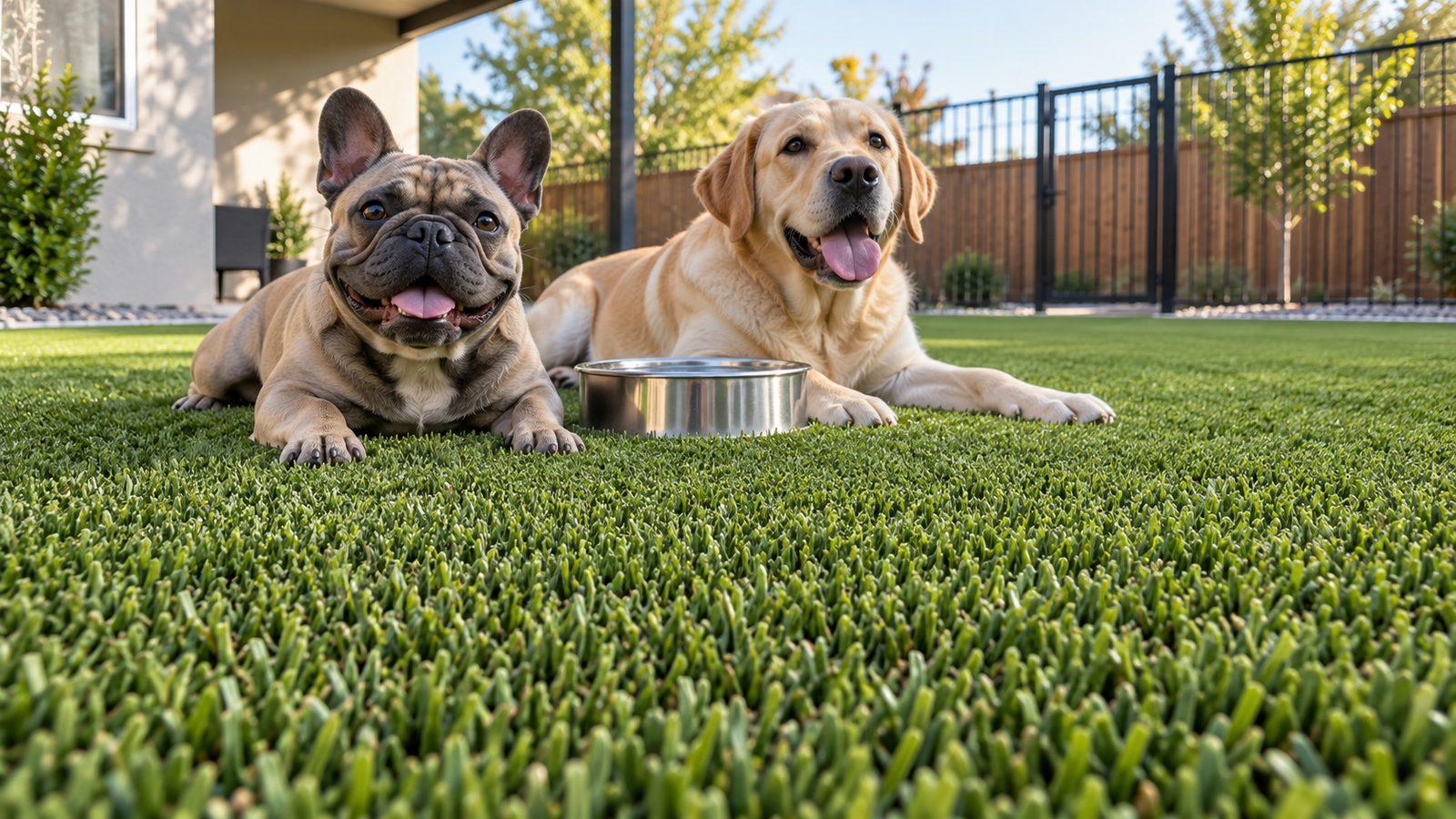
A homeowner in Port Charlotte recently described getting three quotes for the same backyard: a dog run for a Lab mix that digs, a play area for two kids under ten, and a putting green he’d been putting off for years. Each installer gave him a different answer about what needed to happen underground before any turf touched the ground. That inconsistency is the real decision point, not the color or pile height of the grass itself.
Pet turf, putting greens, and playground turf look different on top. Underneath, the base work determines whether any of them last more than a season or two.
Why a dog run, a putting green, and a play area aren’t the same project
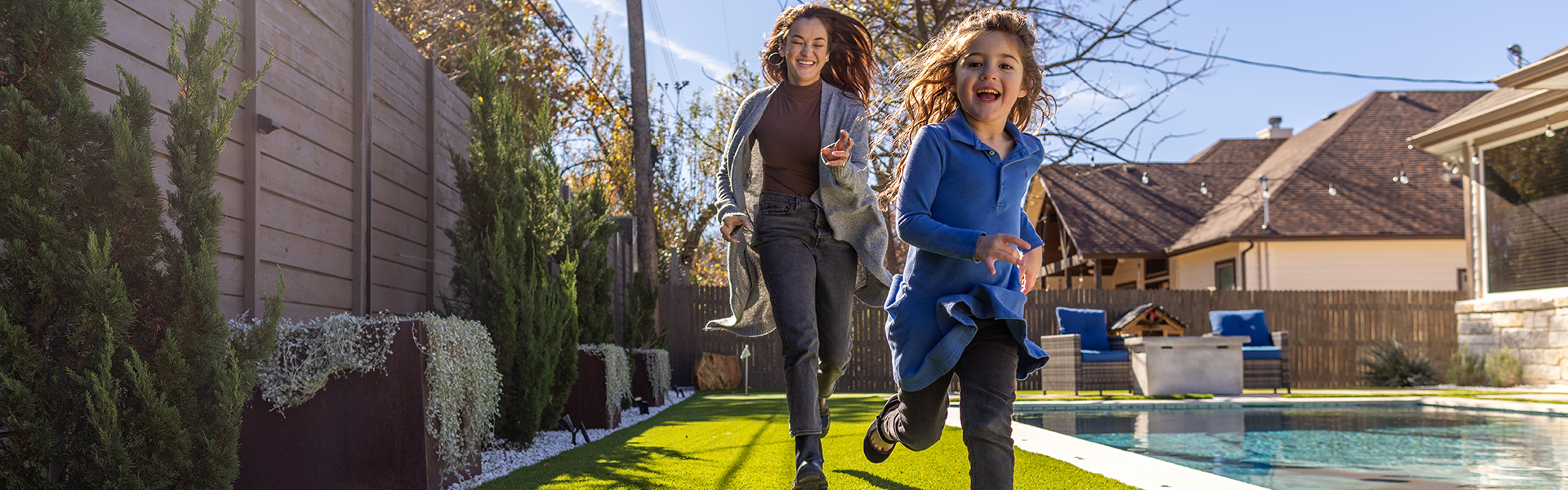
Each surface has a different job. A dog run needs to drain fast and resist odor buildup after Florida’s afternoon downpours. A putting green needs a flat, compacted surface so the roll of the ball stays consistent. A play area needs cushioning and a surface that won’t trap heat or bacteria where kids are down at ground level. Treating all three as one generic “lay the turf down” job is how installs fail early, usually through wrinkling, standing water, or a green that plays unevenly within a year.
The base work that decides whether turf lasts or wrinkles
Waterloo Turf does not install directly onto existing soil or dirt. The ground gets excavated and compacted with a crushed stone or decomposed granite base first. This is non-negotiable, not a premium add-on, because it’s what mimics natural drainage and keeps the turf from wrinkling, shifting, or pooling water once it’s down. If a quote skips this step or treats it as optional, that’s the detail worth questioning before anything else in the proposal.
Managing pet odor without guessing
Odor complaints after installation almost always trace back to drainage that wasn’t planned for pet use specifically. A base built to let water and waste rinse through, rather than sit on top of compacted dirt, is the mechanical answer to the odor question, not a spray-on treatment applied after the fact. It’s also why the base conversation above isn’t separate from the pet-turf conversation; it’s the same conversation.
How putting greens hold up through a Port Charlotte summer
Heat and UV exposure are the two things that shorten a green’s life in Southwest Florida. Waterloo Turf uses UV-stabilized materials designed to hold color and performance in hot climates, with an expected lifespan in the 12 to 20 year range depending on use and exposure. That range is a planning number, not a promise: sun angle, foot traffic, and how close the green sits to reflective surfaces like low-e windows all affect it, which is why a site assessment matters more than a spec sheet.
The safety questions parents ask before playground turf goes in
Toxicity and lead content are the first questions most parents raise, and reasonably so. The materials used are non-toxic and lead-free. That’s a materials fact, not a substitute for checking a specific product’s documentation yourself if you want to see it in writing, a reasonable thing to ask for before signing anything.
Checking HOA rules before signing anything
Port Charlotte has HOA communities with their own landscaping standards, and artificial turf approval varies by association. Nobody outside your specific HOA board can tell you in advance whether your community allows it, what pile height or color restrictions apply, or whether a sample needs to be submitted. That’s a conversation to have with your HOA directly before a contract is signed, not after materials are ordered.
Protecting the pool deck, hardscape, and existing irrigation
A yard with a pool, existing pavers, or an irrigation system already running needs to be assessed for how turf will interact with all three. That includes checking for low-e window glare that can concentrate heat on synthetic surfaces, planning drainage so runoff doesn’t pool against hardscape edges, and (critically) capping off existing irrigation lines that run through the turf area. Leaving those lines active under turf just means paying to water grass that no longer needs it.
What “low maintenance” actually means once it’s installed
Artificial turf is low maintenance, not zero maintenance. It still needs occasional rinsing and light brushing, particularly in pet areas or after heavy pollen seasons. Anyone promising a surface that never needs attention is overselling it. The realistic trade is fewer Saturdays behind a mower, not none at all.
FAQs
Can one installer handle a dog run, a putting green, and a play area in the same yard?
Yes, but each zone should be assessed and based separately for its specific drainage and use needs rather than treated as one continuous surface.
Does the base work really matter for a small playground turf area, or just larger installs?
Size doesn’t change the requirement. A small area installed directly on dirt will wrinkle and pool water the same way a large one does, just sooner, since there’s less margin for error.
Will capping my irrigation lines under the turf area affect the rest of my system?
The lines running through the turf zone specifically are capped so that area stops drawing water; the rest of your irrigation system continues operating normally.
How do I confirm my HOA will approve turf before I commit?
Request your HOA’s landscaping guidelines in writing and, where possible, get written confirmation for your specific lot before signing an installation contract.
If you’re comparing quotes for a dog run, a putting green, or a play area in Port Charlotte, ask any installer to walk your yard and explain their base plan before you sign anything. Schedule that walkthrough with Waterloo Turf Port Charlotte to see how the Waterloo Turf Way applies to your specific yard.
Back