
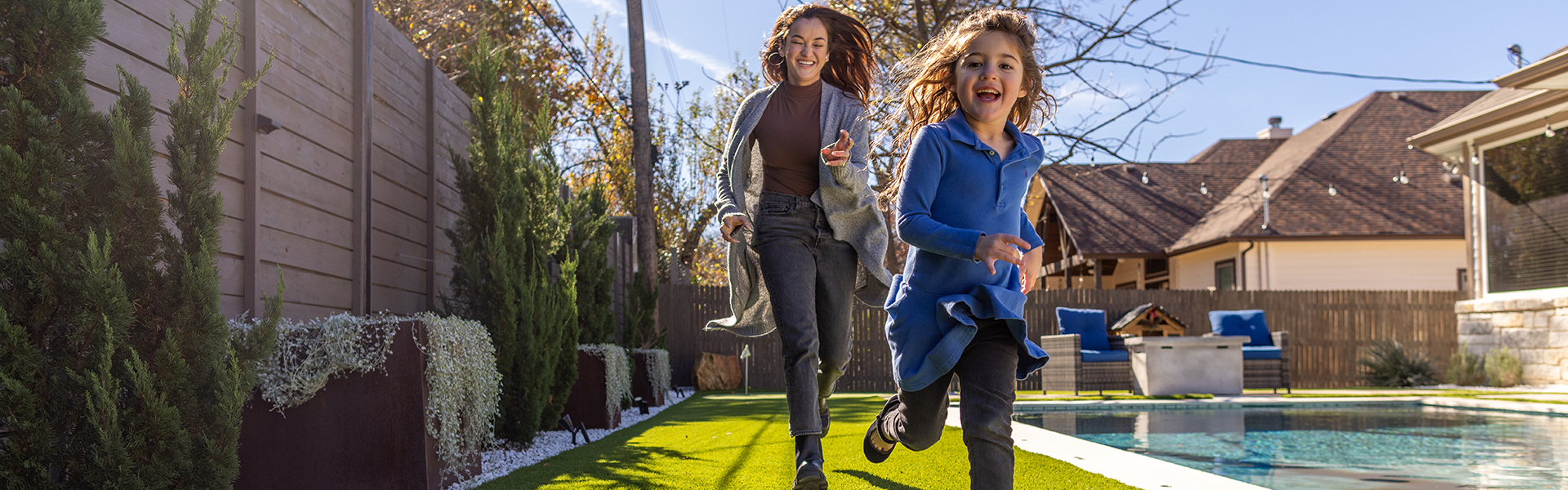
Putting Green or Pet Turf? Choosing the Right Surface for a Raleigh Backyard
They Look Alike From the Sidewalk, and That Is Where the Similarity Ends
A putting green and a pet lawn are both green, both synthetic, and both installed by the same crew. Past that, they are different products built for different jobs. Putting green turf is short, dense, and sand-filled to roll a ball true. Pet turf is taller, softer, and built with high-flow backing so urine and rinse water drain fast. Install the wrong one for the job and you get a green that smells or a dog run that does not drain.
Raleigh homeowners often want both. That is doable, and the planning is where Waterloo Turf Raleigh earns its keep.
What a Putting Green Needs
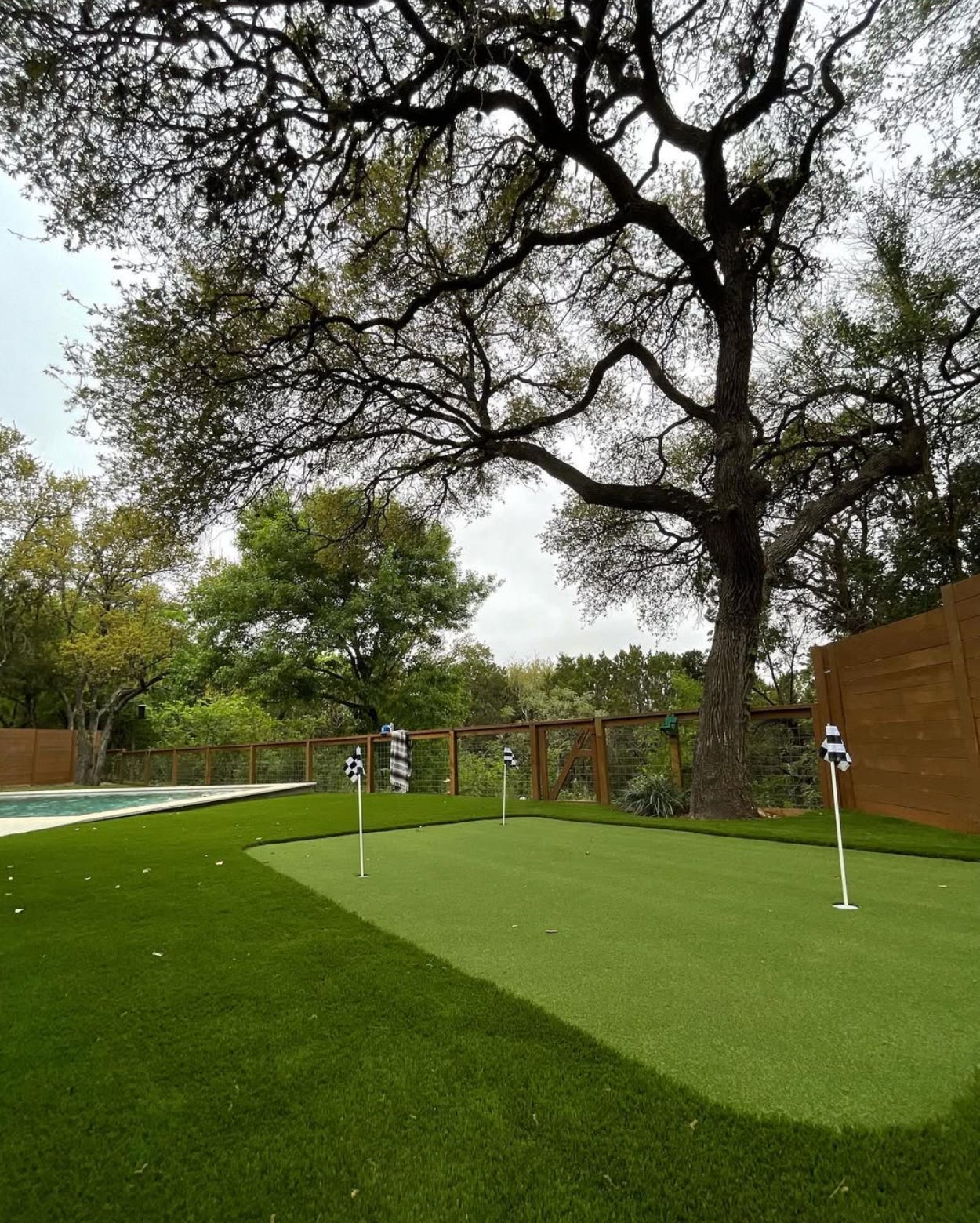
A backyard green is only as good as its base. The surface has to be dead flat or shaped deliberately, and the sand infill has to sit on a layer that will not shift. Raleigh’s clay soil moves with moisture, which is exactly why turf laid directly on it develops a roll that breaks the wrong way by the second season. Waterloo Turf does not install on bare soil; a putting green gets a fully excavated, compacted crushed stone or decomposed granite base that is graded to the contour you want and no other.
A green also wants sun. Deep shade is not a problem for the turf, but it is a problem for drying after rain, and a green that stays damp plays slow.
What a Pet Lawn Needs
Pet turf is about drainage first. The backing is designed to pass liquid quickly, and the base under it has to carry that liquid away. On a draining base, urine does not linger and odor does not build. On compacted clay, it does. If the dogs are the reason you are considering turf, the base is not a line item to negotiate.
Pet turf also benefits from a slightly larger footprint than you think you need. Dogs favor corners and fence lines, and giving those areas proper drainage matters more than the middle of the lawn.
Combining Both in One Yard
Most Raleigh lots can hold both if the zones are planned. The green goes where the sun is and the foot traffic is not. The pet area goes where the dogs already go, usually near the door and along the fence. The two surfaces meet at a secured seam or a hardscape border, and the base under each is built for its job: flat and firm under the green, graded for drainage under the pet area.
What does not work is one product for both. A putting green with dogs on it holds odor in the dense infill, and a pet lawn used as a green rolls like shag carpet.
Irrigation, Beds, and Existing Landscaping
Sprinkler lines inside either footprint get capped so you are not watering a surface that does not need it. Established beds, patios, and any pool decking are protected during the work, and the turf edges are secured to hardscape rather than laid in place. We also check for low-e window reflections, which can concentrate heat on a patch of green and are easy to plan around.
HOA Review in the Triangle
Many Raleigh-area neighborhoods review exterior changes, and a putting green sometimes draws more questions than a lawn because of its appearance. Waterloo Turf supplies product specifications for the submission. We do not assume approval on a homeowner’s behalf, so it is worth reading the covenant before scheduling.
Maintenance for Each
Both are low maintenance, not zero maintenance. The green needs occasional brushing to keep the sand infill even and the roll consistent. The pet lawn needs periodic rinsing, more often in the areas the dogs favor. Neither needs mowing, reseeding, or fertilizer, and both are non-toxic and lead-free materials rated for 12 to 20 years in hot climates.
Frequently Asked Questions
Can dogs use a putting green?
Occasionally, but it should not be their main area. Dense green infill holds odor and does not drain the way pet turf does.
Can I put a putting green and pet turf next to each other?
Yes. They meet at a secured seam or a border, and each gets the base it needs.
Which one costs more?
A putting green generally involves more base shaping and a denser product. A site assessment gives you a real number for your yard rather than a per-square-foot guess.
Does Raleigh clay affect a putting green?
Only if the green sits on it. A compacted stone base isolates the green from the clay’s movement and keeps the roll true.
Next Step
If you are deciding between a green, a dog lawn, or both for your Raleigh backyard, start with a site assessment. We will map the zones, plan the base for each, and give you a layout that works for the golfer and the dog.
Back