Google’s Most Asked Artificial Turf Questions In Houston
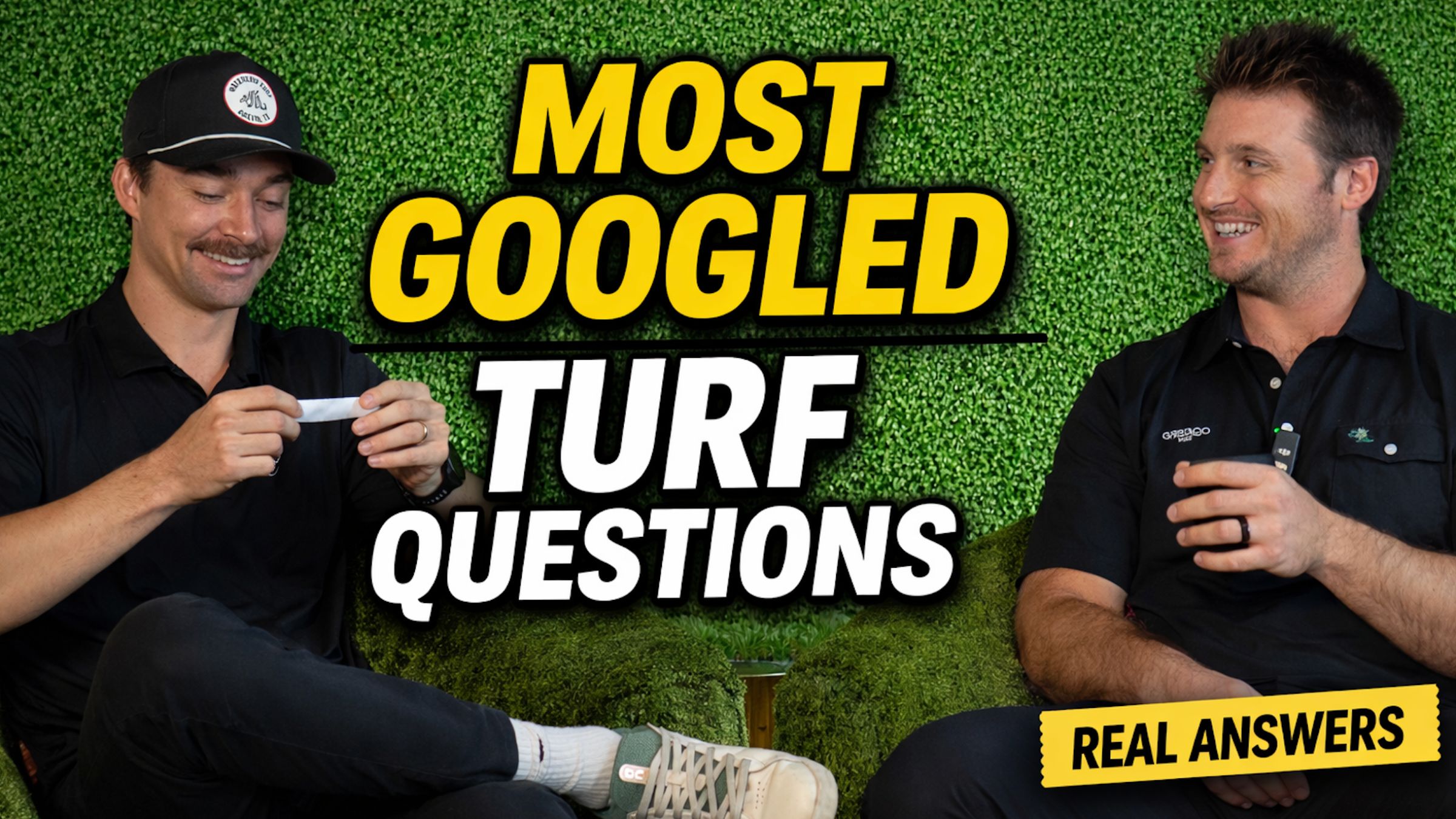
If you’ve ever typed “artificial turf” into Google, you’ve probably noticed the same questions pop up again and again. Is turf safe? Can dogs use it? Does it drain? Does it catch on fire? Does artificial turf cause cancer?
These questions are valid. Artificial turf is a long-term investment, and homeowners, parents, and pet owners want to feel confident before making a decision. The good news? Modern artificial turf has come a long way, and many of the concerns circulating online are outdated or based on early versions of turf that are no longer used.
Below, we’re breaking down Google’s most asked artificial turf questions, using current research, real-world installation experience, and industry best practices to give you clear, honest answers.
Does Artificial Turf Cause Cancer?
This is, without question, the most searched and most emotionally charged turf question online.
The concern originated 20–25 years ago, when many regulation sports fields used crumb rubber infill, made from recycled tires. At the time, there were questions about whether prolonged exposure to crumb rubber could increase cancer risk, especially for athletes who spent long hours on the fields.
Since then, the industry has evolved dramatically.
What The Science Says
In 2025, the state of California released the results of a 15–20 year study examining potential health risks associated with crumb rubber infill. The conclusion was definitive:
- Exposure to crumb rubber resulted in less than a 1 in 1 million increased chance of cancer
- Researchers concluded that artificial turf does not cause cancer
Even more importantly, most modern residential and commercial turf installations no longer use crumb rubber at all.
What’s Used Today
Today’s high-quality turf systems primarily use silica sand infill, which is:
- Antimicrobial
- Kid-friendly
- Pet-friendly
- Non-toxic
- Naturally occurring
Many systems also incorporate cooling or odor-control infills, further improving safety and comfort.
Bottom line: Artificial turf does not cause cancer, and modern turf products are safer than ever.
Can Artificial Turf Be Cleaned?
Yes, and this is one of the most misunderstood aspects of turf ownership.
Artificial turf is low maintenance, not no maintenance. Just like hardwood floors or outdoor furniture, it benefits from occasional care to keep it looking and performing its best.
How Turf Cleaning Works
Professional turf cleaning typically includes:
- Removing leaves, debris, and organic buildup
- Power brooming to lift and re-stand turf fibers
- Re-fluffing compacted areas
- Replenishing infill (silica sand, antimicrobial, or cooling infill)
At Waterloo Turf, this process is part of their Fresh’N Clean maintenance program, designed to extend the life of the turf while improving hygiene and appearance.
The Final Step: Deodorizing
After cleaning, a spray-on deodorizer is applied to:
- Kill bacteria and germs
- Neutralize pet odors
- Improve sanitation
- Leave the turf smelling clean and fresh
This makes turf ideal for:
- Families with kids
- Dog owners
- High-traffic yards
- Daycares and pet facilities
Takeaway: Turf is easy to clean and maintain, it just needs a little TLC to stay at its best.
Can My Dog Pee On Artificial Turf?
Yes, dogs can absolutely use artificial turf.
In fact, turf is one of the most pet-friendly yard solutions available when installed correctly.
Why Turf Works For Dogs
- Turf fibers don’t absorb urine
- Liquids drain through the base system
- Odors don’t linger when proper infill is used
- Mud, holes, and worn patches are eliminated
Professional installation methods focus heavily on drainage and base preparation, which is what makes turf safe and sanitary for pets.
Pet-Specific Turf Options
For high-use areas like:
- Dog runs
- Dog parks
- Boarding facilities
- Daycares
There are pet-specific turf products designed with:
- Faster drainage
- Shorter pile height
- Increased durability
Pairing pet turf with deodorizing infill and a regular cleaning plan ensures the surface stays fresh and odor-free.
Bottom line: Dogs can pee on turf, and with the right system, it’s cleaner than natural grass.
Can Artificial Turf Catch On Fire?
No. Artificial turf is fire-retardant.
This is especially important for homeowners incorporating:
- Fire pits
- Outdoor fireplaces
- Solo stoves
- Grilling areas
Modern turf products are manufactured to meet fire safety standards and will not ignite under normal use.
Turf & Fire-Prone Areas
In wildfire-prone states, insurance adjusters often evaluate landscaping materials when assessing risk. Artificial turf is frequently viewed as:
- Safer than dry natural grass
- Less combustible
- A defensible landscaping option
While extreme heat can damage turf (as it would most outdoor materials), it does not actively fuel fires.
Does Artificial Turf Grow?
No, and that’s kind of the point.
Synthetic turf does not grow, which means:
- No mowing
- No edging
- No fertilizing
- No seasonal die-off
Once installed, the turf remains the same height year-round, maintaining a consistently manicured look without weekly upkeep.
If you’re tired of planning your weekends around yard work, turf eliminates that burden entirely.
Can Artificial Turf Get Wet?
Yes, turf can absolutely get wet.
Rain, sprinklers, kids playing, dogs running, all of that is completely fine. The more important question is not whether turf gets wet, but whether it drains properly.
Does Artificial Turf Drain?
Yes. And drainage depends on two critical factors:
1. Base Preparation & Foundation
This is the most important part of any turf installation.
A properly built base:
- Is graded correctly
- Is compacted thoroughly
- Directs water away from structures
- Prevents pooling or puddling
Even the best turf product will fail if the base underneath isn’t done right.
2. Turf Product Drainage Rate
Different turf products drain at different speeds, ranging from:
- ~30 inches per hour
- Up to 1,000 inches per hour
However, base quality matters more than raw drainage numbers. When installed correctly, all professional-grade turf drains efficiently.
Real-World Performance
When rain hits a properly installed turf yard:
- Water moves through the turf
- Passes through the base
- Drains away naturally
No mud. No standing water. No mess.
Why These Questions Matter
Most artificial turf myths come from:
- Outdated products
- Early industry practices
- Poor installations
- Misinformation recycled online
Modern turf systems are safer, cleaner, and more advanced than ever but the quality of the product and the installation team makes all the difference.
If you’re considering turf, asking these questions is smart. Getting accurate, current answers is what ensures you make a confident, informed decision.
Final Thoughts: Is Artificial Turf Worth It?
For homeowners looking to:
- Reduce maintenance
- Save water
- Create a cleaner space for kids and pets
- Enjoy a usable yard year-round
Artificial turf continues to be a practical, proven solution.
The key is choosing:
- Modern materials
- Safe infill
- Proper drainage systems
- Experienced installers
- Ongoing maintenance when needed
When those boxes are checked, turf delivers exactly what it promises: a consistently beautiful, functional outdoor space without the hassle..
Contact us today for a free quote and let’s start designing your dream yard. https://waterlooturf.com/Houston/freeestimate/
Back