How Artificial Turf Performs In Heavy Foot Traffic Areas In Houston
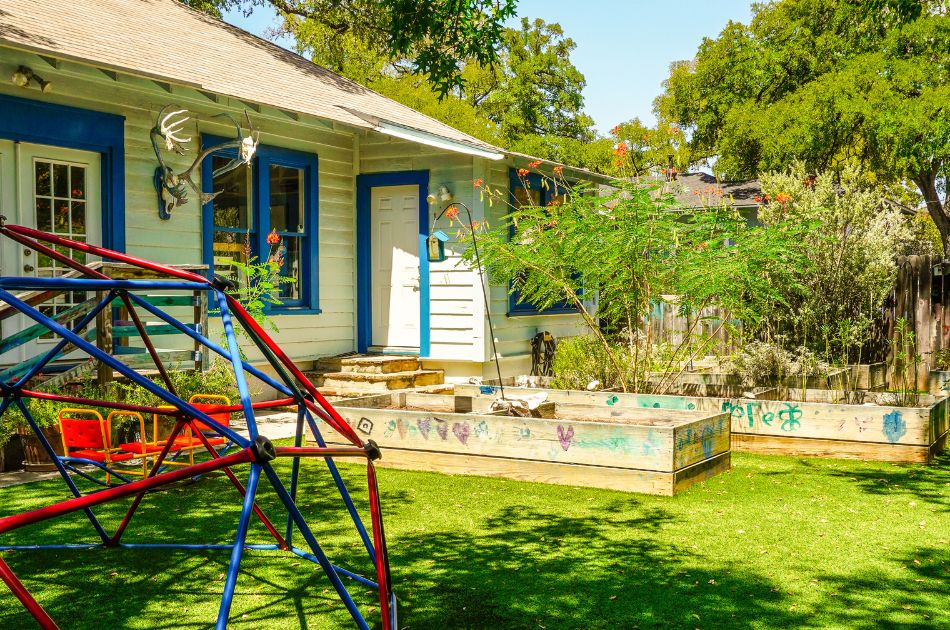
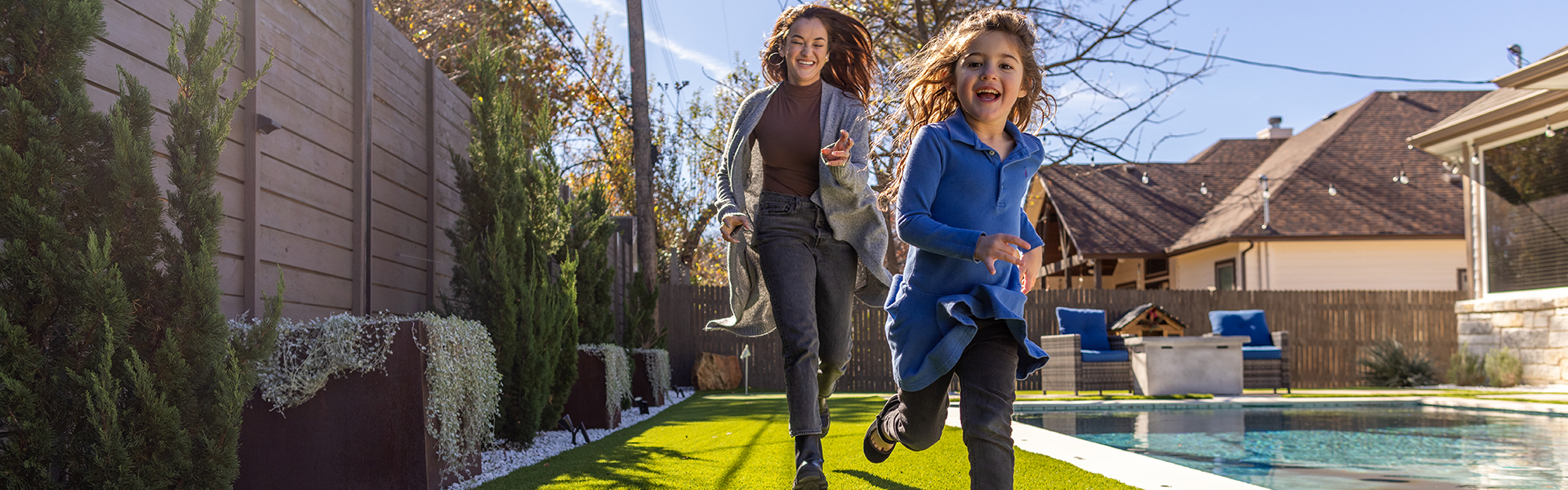
Backyards aren’t always peaceful, untouched spaces and that’s a good thing. From kids running nonstop to dogs playing fetch, weekend parties, and even commercial use, some outdoor areas see serious foot traffic.
Today, we’re diving into how synthetic grass stands up to heavy foot traffic, why it performs so well, and what actually matters if you want your turf to look great for years to come.
What Qualifies As “Heavy Foot Traffic” For Artificial Turf?
“Heavy foot traffic” means constant, intense use over time. This includes:
- Daily play from kids or pets
- Frequent gatherings or backyard events
- Sports activities or workout zones
- Walkways and high-use paths
- Commercial spaces with dozens (or hundreds) of people moving through daily
In these environments, natural grass typically wears thin, turns muddy, or dies altogether. Artificial turf, on the other hand, is designed specifically to handle this kind of demand.
How Is Artificial Turf Designed To Withstand Constant Use?
Modern synthetic turf isn’t just plastic grass it’s engineered for resilience.
High-quality turf uses durable fibers like polyethylene or nylon that are UV-stabilized to resist sun damage. The blades are designed to bend without breaking and spring back after being stepped on.
Many turf systems also use specialized yarn shapes (such as monofilament or omega-shaped fibers) that help prevent crushing. Combined with strong backing systems and proper infill, the turf stays stable even under repeated pressure.
What Turf Features Matter Most For High-Traffic Areas?
Not all turf is created equal, especially for busy spaces. The most important features for heavy foot traffic include:
- Dense construction for better durability
- Shorter pile height (1–2 inches) to reduce matting
- High-quality fibers
- Nylon for maximum durability
- Polyethylene for a balance of softness and strength
- Strong tuft binding to prevent pulling or separation
- Supportive infill (like silica sand or rubber) for shock absorption and blade recovery
These elements work together to keep turf looking upright, even in the most-used areas.
How Does The Base Material Impact Turf Performance Under Heavy Traffic?
The turf is only as good as what’s underneath it.
A properly installed basetypically 3 inches of compacted crushed rock or road base is critical for high-traffic performance. This foundation:
- Prevents sinking or shifting
- Distributes weight evenly
- Supports consistent drainage
- Reduces long-term compaction issues
Without a solid base, even the best turf can fail prematurely.
Does Foot Traffic Cause Turf To Flatten Over Time?
Yes, some flattening is normal, especially in concentrated areas like walkways or play zones.
The good news? It’s not permanent.
Quality turf paired with proper infill is designed to recover. Regular brushing lifts the blades back upright and redistributes infill, restoring the turf’s natural look without causing damage.
How Does Artificial Turf Compare To Natural Grass In High-Traffic Zones?
This is where artificial turf really shines.
Natural grass struggles under heavy use; it compacts, thins out, forms bare patches, and turns muddy. Synthetic turf stays:
- Green year-round
- Even and consistent
- Free of bald spots
- Resistant to erosion
For durability and appearance in high-use areas, artificial turf consistently outperforms natural grass.
Can Turf Handle Repeated Use From Kids, Pets, Or Events?
Absolutely. High-quality turf is built for exactly this kind of lifestyle.
- Kids can run, jump, and play without tearing it up
- Pets can dig, play, and use the yard (with proper drainage and cleaning)
- Events and gatherings won’t destroy the surface
With the right materials and installation, turf remains safe, cushioned, and visually clean even after repeated use.
What Maintenance Helps Turf Recover From Heavy Foot Traffic?
While turf is low-maintenance, it’s not zero-maintenance especially in busy areas.
To keep it performing well:
- Brush high-traffic areas weekly or bi-weekly
- Use a stiff broom or power brush to lift fibers
- Remove debris regularly
- Rinse as needed
- Top up infill occasionally
This simple upkeep prevents matting and keeps the turf looking fresh and resilient.
Common Mistakes That Cause Turf To Fail In High-Traffic Areas
Most turf failures aren’t about the turf itself they’re about the choices made around it. Common mistakes include:
- Choosing turf that’s too soft or tall for heavy use
- Poor installation or an inadequate base
- Improper drainage
- Skipping regular brushing
- Neglecting infill levels
- Using harsh chemicals
Avoiding these pitfalls dramatically extends the life of your turf.
How Long Should High-Traffic Artificial Turf Last?
When installed correctly and maintained properly, high-traffic artificial turf typically lasts:
- 10-20 years overall
- 15+ years for most residential applications
- 8-15 years for intense commercial or sports use
Compared to natural grass, turf lasts significantly longer in demanding environments and keeps its appearance the entire time.
Final Thoughts
If your outdoor space sees a lot of action, artificial turf is one of the most durable, practical, and visually consistent solutions available. With the right turf selection, professional installation, and light maintenance, it can handle years of heavy foot traffic without missing a beat.
Contact us today for a free quote and let’s design a turf solution built for your busiest spaces: https://waterlooturf.com/Houston/freeestimate/
Back