
Does Artificial Grass Get Hot in Florida? An Honest Answer for Orlando Yards
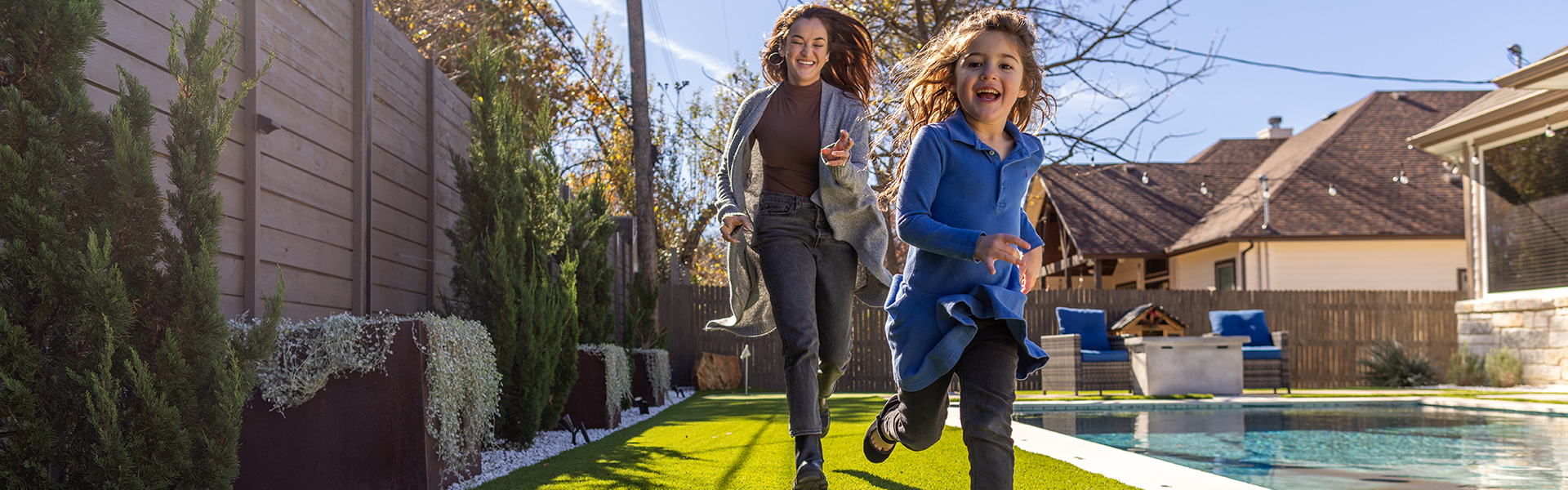
A kid runs barefoot across a new backyard lawn at 3 p.m. in July and yanks their foot back like they stepped on a stove. If you’ve heard this story, or lived it, you already know the answer to the question: yes, artificial grass gets hot in Florida. Hotter than the living grass it replaced, in direct sun, during the hottest stretch of the afternoon. Waterloo Turf won’t tell you otherwise.
Why Synthetic Fibers Heat Up Faster Than Living Grass
Real grass cools itself. Through transpiration, living blades release moisture into the air, which pulls heat away from the surface the same way sweat cools skin. Synthetic fibers don’t transpire. They absorb radiant heat from the sun and hold onto it, especially the darker green blades used to mimic a natural lawn color. In Central Florida, where direct sun is intense and humidity already makes the air feel heavier, that difference becomes noticeable underfoot by early afternoon.
In hot climates the pattern is a familiar one: a yard that feels fine in the morning turns uncomfortable for bare paws and bare feet once the sun is directly overhead. That’s not a defect in the material. It’s physics, and it applies to any synthetic turf product, regardless of brand or installer.
What Premium Materials Change, and What They Don’t
Waterloo Turf uses non-toxic, lead-free, UV-stabilized turf built to hold its color and structure for 12 to 20 years in hot climates without breaking down the way cheaper synthetic blends do under constant UV exposure. UV stabilization protects the fibers from degrading, fading, and turning brittle. It does not make the surface stay cool in direct Florida sun. No turf product currently on the market eliminates heat absorption entirely, and any installer who tells a customer otherwise is setting up a disappointing first summer.
What quality materials and a correct installation do affect is drainage and recovery. A properly compacted base lets water move through the turf quickly after a rinse, so cooling water doesn’t pool, stagnate, or create odor problems on top of the heat issue. Waterloo Turf will not install turf directly onto bare soil for this reason. The base is excavated and packed with crushed stone or decomposed granite to replicate natural drainage, which matters as much for heat management as it does for keeping the lawn from developing wrinkles or soft spots over time.
Reading the Yard Before Installation, Not After
Part of assessing an Orlando property for turf involves looking at more than square footage. Waterloo Turf’s installation planning includes checking for low-e window reflections from nearby homes, pool enclosures, or glass doors, because reflected and magnified sunlight can create hot spots on turf that have nothing to do with direct overhead sun. A yard with a west-facing low-e window bouncing afternoon light onto one corner of the lawn needs a different plan than a yard shaded by mature oak canopy. This is also when existing hardscape and pool decking get mapped out, since heat radiating off concrete or pavers next to turf compounds the surface temperature in that zone.
Shade structures, pergolas, and strategic placement of play areas away from full west-facing exposure won’t eliminate the heat difference, but they measurably reduce how hot specific zones of the lawn get during peak sun hours.
Living With Turf Heat Day to Day
This is where “low maintenance” matters more than “zero maintenance.” Waterloo Turf has never claimed artificial grass requires no upkeep, because managing heat and odor both call for occasional attention: a quick hose-down in the late morning before peak heat sets in cools the surface and buys a few hours of comfortable play time. Checking the surface temperature with a hand or bare foot before letting kids or pets out barefoot during the 1 p.m. to 5 p.m. window is a reasonable habit in a Florida summer. Closed-toe shoes for kids and supervised outdoor time for pets during that stretch aren’t overcautious, they’re practical, the same way they would be on a hot driveway or pool deck.
For dogs especially, paw pads are more heat-sensitive than human feet. If a dog starts lifting paws, hopping, or avoiding a sunny section of turf, that’s the signal to redirect them to a shaded patch or bring them inside until the surface cools, the same judgment call most Florida dog owners already make with asphalt and concrete.
Where This Leaves an Orlando Homeowner
Artificial turf still solves real problems for Orlando yards: no mowing, no irrigation bills for the turfed area once Waterloo Turf caps off the existing sprinkler lines underneath it, and a surface that doesn’t turn to mud after a summer storm. Heat is a tradeoff, not a hidden flaw, and it’s one that shade planning, drainage, and daily habits can manage. A homeowner weighing turf against the hours spent mowing and watering a natural lawn each Saturday is making a fair trade as long as they go in with accurate expectations about summer afternoons.
If you’re planning a turf installation in Orlando and want a yard assessment that accounts for sun exposure, window glare, and shade before any stone base goes down, Waterloo Turf Orlando can walk the property with you and point out exactly where heat will be a factor.
Frequently Asked Questions
Is artificial grass too hot to use at all in Florida? No, but peak afternoon sun (roughly 1 p.m. to 5 p.m.) is when surface temperatures climb highest. Most households adjust by using the lawn more in the morning, evening, or shaded hours and treating midday like they would a hot pool deck.
Does rinsing the turf actually cool it down, or is that just for odor control? Both. A hose-down lowers surface temperature for a period of time in addition to helping with pet odor and debris, which is part of why Waterloo Turf describes its turf as low maintenance rather than zero maintenance.
Can shade structures fully solve the heat problem? They reduce it significantly in the areas they cover but don’t change how hot an unshaded section gets in direct sun. Planning play areas and pet zones under existing shade or a planned structure is more realistic than expecting the entire lawn to stay cool.
Will a lighter-colored turf stay cooler? Lighter synthetic fibers generally absorb somewhat less radiant heat than darker ones, but the difference is incremental, not a fix. Base preparation, drainage, and shade planning have a bigger practical impact on a usable Orlando yard than fiber color alone.
Request a yard assessment with Waterloo Turf Orlando to map sun exposure, window glare, and shade before your installation plan is finalized.
Back