

Artificial Grass Installation Problems in Jacksonville: What Bumps, Seams, and Edges Should Really Look Like
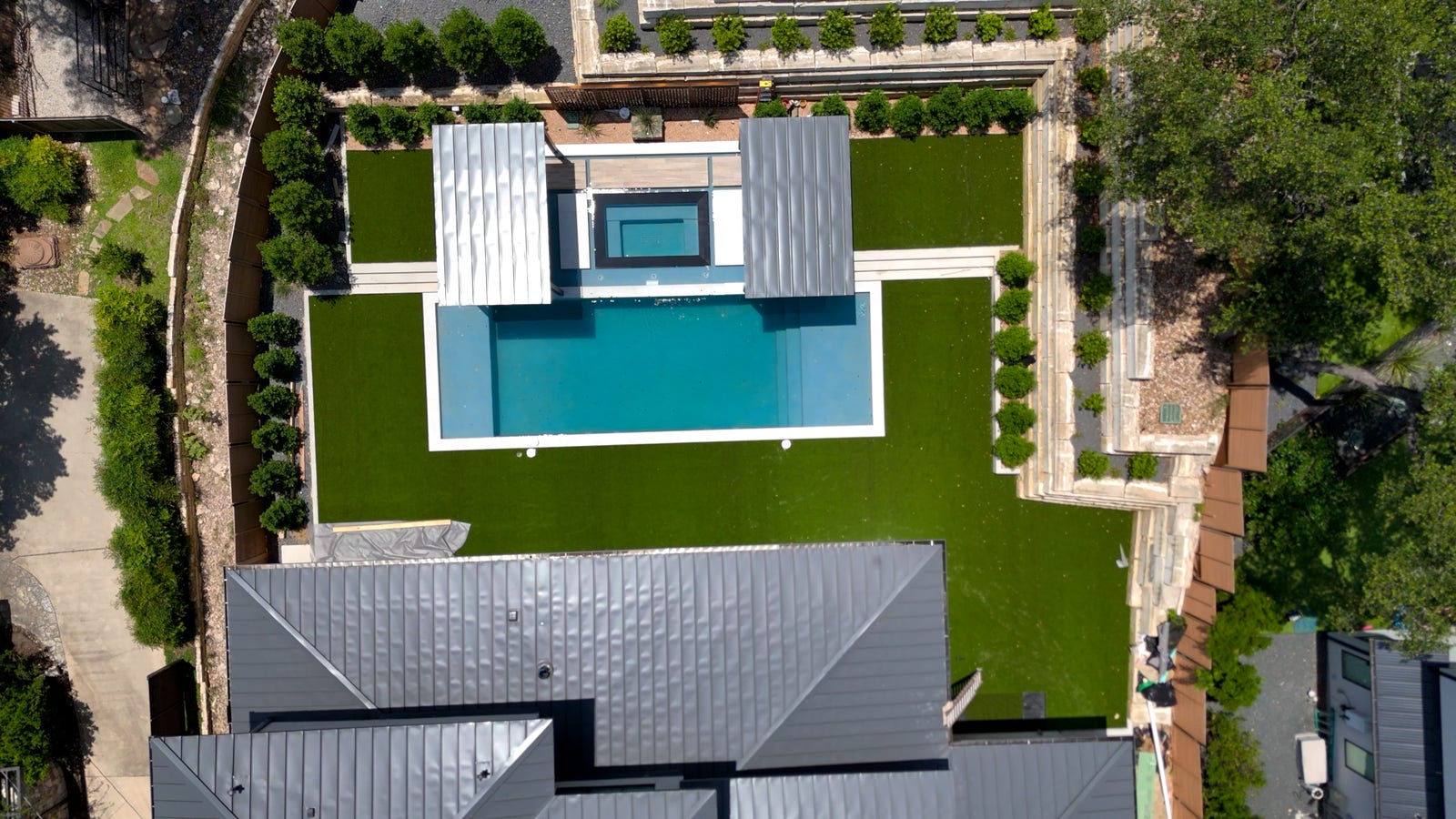
A homeowner in a St. Augustine or Jacksonville neighborhood notices a soft spot near the patio edge a few months after a synthetic lawn goes in. Or a faint seam line becomes visible every afternoon when the sun hits it at an angle. The question that follows is usually some version of: is this normal wear, or did something go wrong during installation?
Most of the time, the answer traces back to what happened before the turf was ever rolled out, not the turf itself.
Why Base Prep Is the Part You Can’t See and Can’t Skip
Turf doesn’t wrinkle or sink because the material is defective. It happens because whatever is underneath it shifts, settles, or holds water it shouldn’t. Jacksonville’s sandy soil drains fast in some spots and holds moisture in others, especially near low-lying yards or areas close to the coast, which makes the base layer the part of the job that actually determines how the lawn performs in July heat and in a September downpour.
At Waterloo Turf, that base is non-negotiable: the existing soil gets excavated and replaced with a compacted layer of crushed stone or decomposed granite, built to mimic natural drainage rather than fight it. Turf is never placed directly onto bare dirt, because dirt shifts with rain, heat, and foot traffic, and that movement is exactly what shows up later as a wrinkle, a dip, or a seam that’s suddenly visible.
If you’re assessing a yard, a quick way to check is to press firmly on different sections with your foot. A properly compacted base feels uniformly firm. Soft or spongy spots, especially near fence lines or old garden beds, usually mean the base wasn’t excavated deep enough or compacted thoroughly before the turf went down.
What a Properly Bonded Seam Looks Like Up Close
Seams are where installation quality is easiest to judge and easiest to hide if someone rushes the job. A tight seam should run in a straight, deliberate line, with the grass fibers combed in the same direction on both sides so the blend point isn’t obvious from a few feet away. Get down at ground level and look across the seam rather than straight down at it; that’s the angle that reveals gaps, peaking edges, or a visible ridge where two pieces meet.
Seam separation after a few months typically means the bonding wasn’t given time to set correctly, or the base beneath the seam wasn’t as firm as the rest of the yard. Since seams carry more foot traffic and more stress during Florida’s heavy rain events, they’re also the first place that reveals whether drainage was planned correctly underneath.
Edges Around Pools, Pavers, and Garden Beds Tell the Real Story
Edge work is where a lot of installation problems concentrate, because every hardscape element nearby, pool decking, paver borders, existing landscaping, adds a transition point that has to be cut and secured precisely. A proper installer accounts for these before the first section of turf is even unrolled: assessing how water will move around the pool deck, how sun reflecting off low-e windows on the house might affect fading in one section more than others, and how close the turf can safely sit to planting beds without smothering root systems or trapping moisture against the house.
Loose or curling edges along a pool deck aren’t just cosmetic. They’re usually a sign that drainage wasn’t mapped out in advance, so water is pooling under the edge and lifting it. The same applies near garden beds that butt up against the lawn; if soil washes into the turf edge every time it rains, the drainage plan missed that transition point.
What Happens to the Old Irrigation System
One detail homeowners sometimes overlook when inspecting a finished job is whether the old sprinkler heads in that section of yard were actually dealt with, or just covered over. An irrigation line left active under turf isn’t just wasted water; it can create standing moisture that contributes to odor issues, especially in yards with pets, and undermines the base compaction over time. The irrigation lines running through the turf area should be capped off completely during installation, not just shut off at the valve, so there’s no ongoing water running beneath the surface once the lawn is in.
HOA Inspections Care About the Same Details You Should
If your neighborhood has an HOA, the review process often focuses on exactly these visible details: seam lines, edge transitions along the street-facing side of the property, and whether the color and texture read as a natural lawn from the sidewalk. A clean installation with properly finished edges and invisible seams tends to clear HOA review without much back-and-forth, because there’s nothing obviously synthetic-looking to flag. A rushed install with visible seams or curling edges is the kind of thing that draws a second look.
FAQ
Why does a seam show up more in late afternoon sun than in the morning?
Low-angle light exaggerates any texture difference between two sections of turf, even a small one. It’s one reason installers account for sun direction and reflections, including off nearby low-e windows, when planning seam placement and fiber direction.
Is a little bit of bounce or softness in the yard normal?
Some give underfoot is expected with any synthetic lawn. What’s not expected is a soft spot that feels noticeably different from the surrounding area, which usually points to inconsistent base compaction in that specific section rather than the turf material.
Can turf go directly over my existing irrigation system without capping it?
No. Leaving irrigation lines active under turf risks trapped moisture and drainage problems. Lines in the turf area should be capped off as part of the installation, not left running underneath.
Will removing old sod and digging out the base damage my pool decking or existing landscaping?
It shouldn’t, if the excavation and drainage plan account for those features ahead of time. That’s why assessing the yard’s hardscape and landscaping layout happens before digging starts, not after.
A Next Step If Your Yard Already Shows These Signs
If you’re looking at an existing synthetic lawn in Jacksonville or St. Augustine and noticing a seam, a soft spot, or an edge that’s lifting near the pool deck, the fastest way to know whether it’s a base issue, a seam issue, or just cosmetic is to have someone walk the yard with you and look at those specific spots. Waterloo Turf St. Augustine Artificial Grass offers that kind of on-site look for homeowners trying to figure out what they’re dealing with, whether it’s a repair question or a sign the original base prep needs to be redone.
Back
