
Choosing an Artificial Lawn Turf Installer in Tampa: What Actually Separates a Good Yard
The Search Usually Starts After a Bad Sod Season
If you’re typing “artificial lawn grass turf near me” into Google from a Tampa address, there’s a decent chance you’ve already spent one too many summers reseeding dead patches, fighting chinch bugs, or watching your water bill climb every August. Real grass in this climate is expensive to keep alive. Turf is the obvious next step. The harder part is figuring out which installer actually knows what they’re doing versus one who’s going to roll product over dirt and call it a day.
That distinction matters more in Tampa than in drier climates. Heavy seasonal rain, high humidity, sandy or clay-heavy soil depending on the neighborhood, and long stretches of intense heat all put specific demands on how turf is installed, not just what turf is used.
Why Base Preparation Decides Whether the Lawn Lasts
Ask any installer one question before anything else: what’s underneath the turf. If the answer is “we lay it on your existing soil,” that’s a warning sign. Waterloo Turf Tampa won’t install directly onto dirt, and for good reason: soil shifts, compacts unevenly, and holds water in ways that cause wrinkling, sinking, and drainage problems within a year or two.
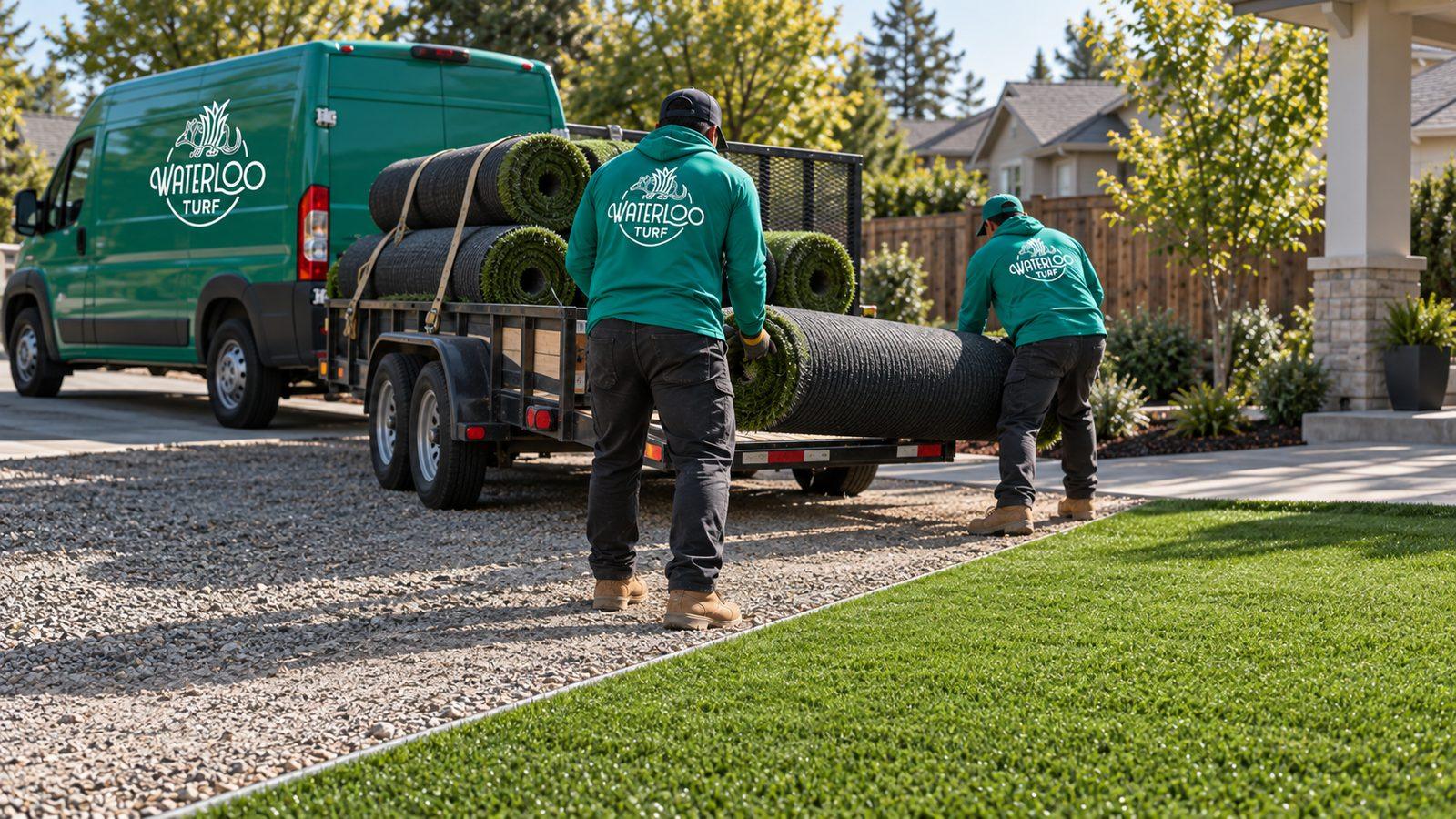
The alternative is excavating the area and building a compacted base of crushed stone or decomposed granite that mimics how water moves through natural, well-draining soil. It’s more labor upfront and it’s not visible once the turf is down, which is exactly why some installers skip it. It’s also the single biggest factor in whether a lawn still looks flat and drains properly five years from now instead of two.
What Happens to Your Irrigation System
Most Tampa homes going the turf route already have an irrigation system running to that section of yard, and it needs to be dealt with, not left running underneath synthetic grass. Waterloo Turf’s crews cap off the irrigation lines in the turf zone specifically to stop water from being wasted on a surface that no longer needs it. If an installer doesn’t bring this up unprompted, ask. An uncapped line under turf either keeps costing you money or eventually causes a drainage issue nobody can see until it’s a problem.
Pet Odor and Drainage During Florida Rain
Pet odor is one of the more common worries homeowners bring up, and it’s a fair one: turf that isn’t installed with drainage in mind can hold urine and bacteria at the base layer, especially once Tampa’s rainy season hits. The permeable base underneath the turf is what handles this; a proper crushed stone or decomposed granite layer lets liquid pass through instead of pooling. Turf marketed for pet use without attention to what’s beneath it is solving half the problem.
It’s also worth saying plainly: turf is low maintenance, not zero maintenance. Occasional rinsing and light brushing to keep fibers upright and odor-free is part of ownership, particularly in pet households. Anyone promising a lawn that never needs attention isn’t describing how synthetic turf actually performs.
Heat, UV Exposure, and Realistic Lifespan
Tampa sun is a real test for turf materials. Cheaper synthetic grass fades, flattens, or gets uncomfortably hot underfoot faster in this climate than in milder ones. Waterloo Turf uses UV-stabilized, non-toxic, lead-free materials built for a 12 to 20 year lifespan specifically in hot climates, a meaningfully different spec than turf designed for cooler regions.
One detail that doesn’t get discussed enough: reflections off low-e windows and glass can concentrate heat onto a specific section of turf and accelerate wear in that spot. Waterloo Turf assesses for this during the yard evaluation, along with mapping drainage around existing pools and hardscaping before anything is installed. If a provider isn’t looking at your windows, pool decking, or existing landscaping as part of the site visit, they’re pricing a generic job, not your yard.
Getting Through HOA Approval Without a Redo
Many Tampa neighborhoods have HOAs with specific rules about synthetic turf, sometimes about visibility from the street, sometimes about product specifications. This is worth resolving before installation day, not after. Homeowners should request their HOA’s exact turf guidelines in writing and bring product specs from the installer to that conversation, rather than assuming approval will follow naturally. An installer familiar with Tampa-area HOA patterns can usually tell you what documentation tends to get requested, though every association sets its own rules and the homeowner is ultimately responsible for confirming approval.
What ‘Non-Toxic’ Should Actually Mean
Safety for kids and pets is usually the first concern raised, and it deserves a direct answer rather than a marketing line. Waterloo Turf uses non-toxic, lead-free materials. That’s a materials spec, not a claim about every possible use case or exposure scenario. If a provider can’t tell you what their turf is made of or point to a materials standard, that’s a fair reason to keep asking.
What This Looks Like With Waterloo Turf
Waterloo Turf Tampa operates under what the team calls the Waterloo Turf Way, a standardized process built around proper excavation, compacted base work, irrigation capping, and a pre-installation site assessment for drainage, hardscaping, and sun exposure. The company has collected more than 50 five-star customer reviews, and describes its mission in plain terms: giving homeowners their Saturdays back by removing mowing and watering from the weekend.
FAQs
Does turf need to sit on bare soil, or is there always a base layer?
A base layer is standard practice, not optional. Installing directly on soil leads to drainage and wrinkling problems over time, which is why excavation and a compacted stone or decomposed granite base are part of the process.
What happens to my existing sprinkler system in the turf area?
The irrigation lines running to that section get capped off during installation so water isn’t wasted underneath the turf and the system doesn’t keep running to a surface that no longer needs it.
Will my HOA have a problem with artificial turf?
Some Tampa HOAs have specific requirements around synthetic turf. It’s worth getting the association’s written guidelines and your installer’s product specs together before installation, since approval depends on the HOA’s own rules.
Talk to Someone Before You Sign Anything
If you’re comparing quotes right now, the more useful conversation isn’t about price per square foot. It’s about what’s happening under the surface, what happens to your irrigation, and how your specific yard’s drainage, pool decking, and sun exposure factor into the plan. Waterloo Turf Tampa can walk through those specifics for your property directly; reach out through their Tampa page to set up a yard assessment before deciding.
Review feedback addressed:
– Prior review reasoning: Outcome risky. Passed checks: deliverable_evidence_support, deliverable_specificity, deliverable_acceptance_criteria, deliverable_public_action_safety, deliverable_publishing_rules, deliverable_content_engine_standard. Failed checks: deliverable_claim_risk. Human review is required before moving forward. Public execution remains subject to the configured downstream execution controls.
– Required next action: Escalate before approval or public execution.
– Fixed deliverable_claim_risk: Deliverable includes potentially unsupported reputation/legal/compliance claims.
Request a yard assessment from Waterloo Turf Tampa to review your base, irrigation, and HOA requirements before choosing an installer.
Back