
Artificial Grass for Backyard and Front Yard: A Complete Residential Turf Guide
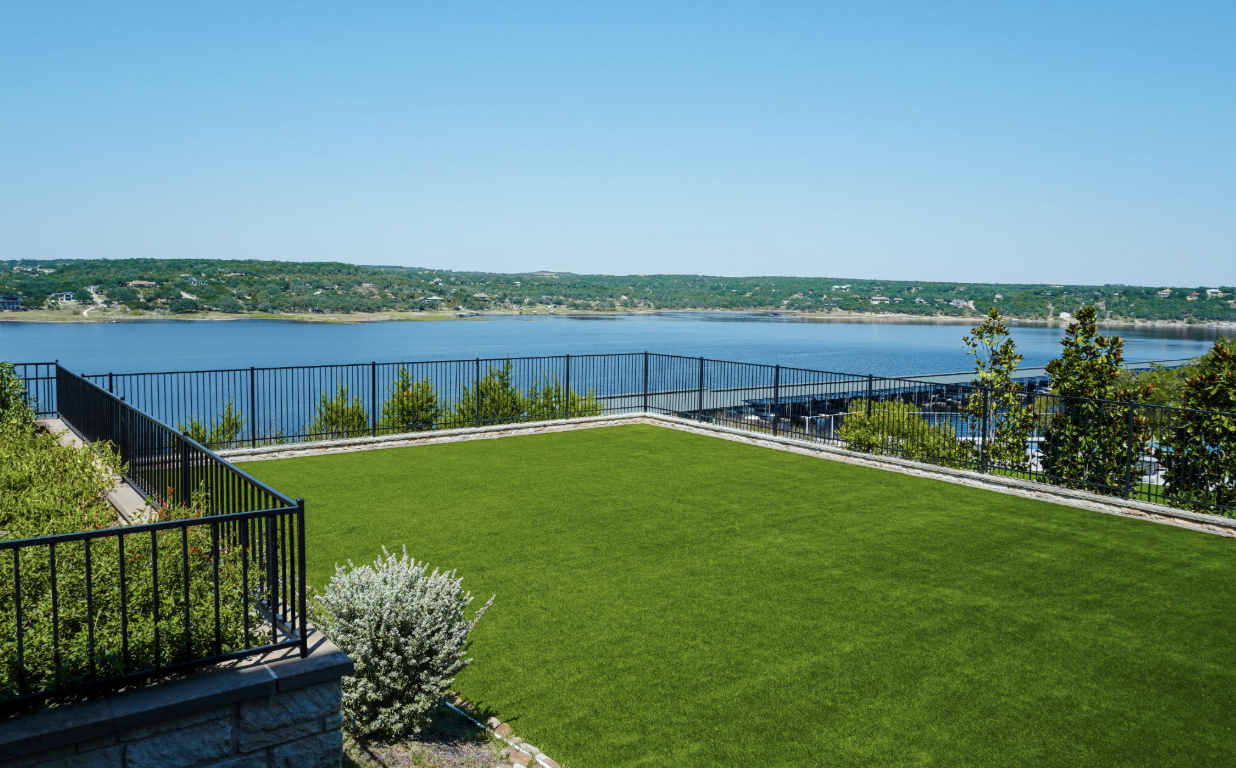
Most people start considering artificial grass for their backyard for one of two reasons. The lawn may struggle in the shade, dry out in the sun, or turn into mud where the dog runs. For others, mowing, watering, and ongoing lawn care take up too much time.
Either way, the main question is the same: What does it take to replace natural grass with residential turf?
This guide explains what homeowners should consider when planning artificial grass for a front yard, backyard, or a combination of both.
Front Yards and Backyards Have Different Needs
It is easy to think of residential turf as one product for the entire property. In practice, front yards and backyards are used differently. The best turf for each space depends on its appearance, amount of traffic, drainage, sun exposure, and intended use.
The Front Yard Focuses on Appearance
The front yard is one of the first things people notice about a home. Consistent color, natural-looking fibers, and clean transitions between the turf and surrounding hardscape all matter.
A front lawn should look balanced from the street and complement the rest of the landscaping. The color blend, blade shape, pile height, and installation details can all affect the finished appearance.
Front yards also tend to receive considerable sun exposure. If the area remains in direct sunlight for much of the day, mention that when comparing turf products and infill options.
The Backyard Is an Active Space
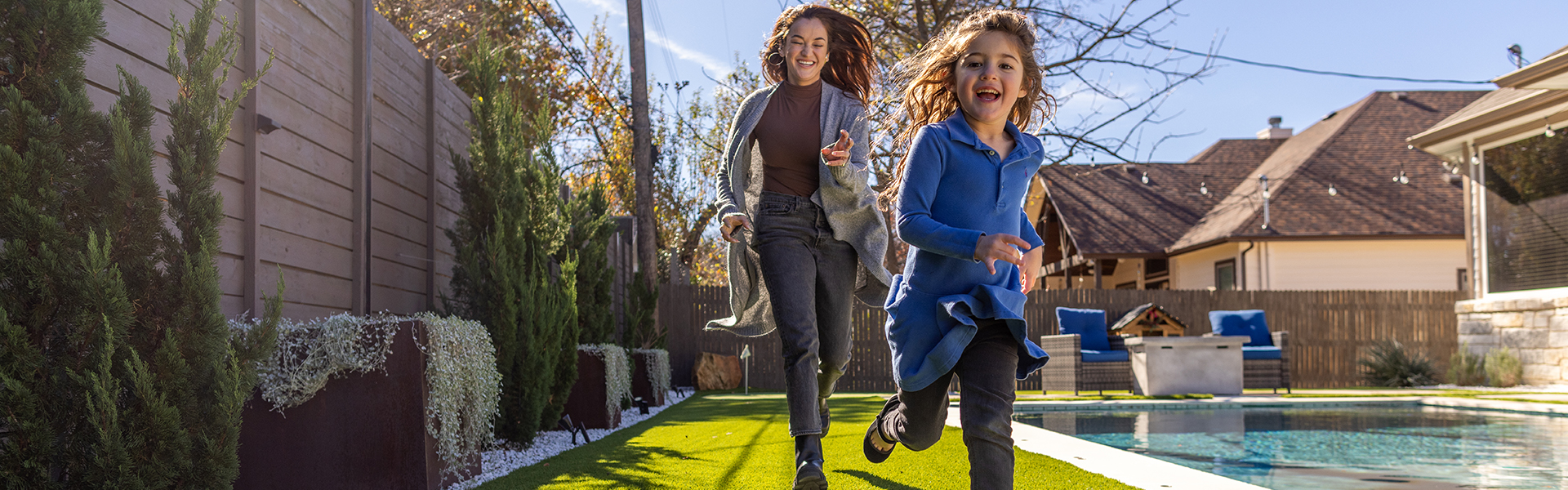
Backyards usually experience more activity. Children, pets, outdoor furniture, grills, and repeated foot traffic can all affect the surface.
For these areas, homeowners often prioritize durability, drainage, and easy maintenance. The turf should suit the amount of activity the yard receives and the way the household uses the space.
Backyards may also include specialty areas, such as:
- Pet zones
- Children’s play areas
- Putting greens
- Spaces around pools or patios
- Areas beneath trampolines or outdoor furniture
The practical takeaway is simple: choose the turf for each part of the property based on how that area will be used. One project may include more than one type of turf.
How Much of the Yard Should You Cover?
Full coverage is not always necessary. In many cases, turf works well as part of a larger landscape design that also includes planting beds, hardscape, gravel, or natural grass.
Consider the following when deciding how much of the yard to cover:
- Focus on difficult areas. Turf may be useful in shaded sections where grass struggles, high-traffic areas, pet runs, slopes, or the space beneath a trampoline.
- Keep areas that already work. If part of the lawn grows well and is easy to maintain, you may choose to leave it in place.
- Plan the yard in zones. A backyard can combine turf in the main activity area, planting beds along the fence, and hardscape around the patio.
- Pay attention to transitions. The edges where turf meets concrete, decking, gravel, or planting beds have a strong effect on the finished appearance.
A site assessment can help determine which areas are good candidates for artificial grass and which can remain unchanged.
What to Look for in Residential Artificial Turf
Residential turf products come in a wide range of styles. These are some of the main characteristics to consider when comparing options.
Pile Height
Pile height refers to the length of the turf blades. Taller blades can create a fuller appearance, while shorter or medium-height blades may be easier to maintain in busy areas.
The right choice depends on the look you want and the amount of activity the space receives.
Face Weight and Density
Face weight and density describe the amount and concentration of fiber in the turf. These characteristics affect its appearance, feel, and response to regular foot traffic.
Ask to see and feel product samples before making a decision. This will give you a better sense of how each option may look on a larger scale.
Backing and Drainage
The backing allows water to pass through the turf into the prepared area below. Drainage performance depends on the turf backing, base preparation, slope, soil conditions, and overall installation plan.
Properties with existing drainage concerns may need additional preparation.
Sun Exposure
Some turf products are manufactured to better resist fading and wear from sunlight. Product quality, local conditions, and sun exposure can all affect how the turf changes over time.
If your yard receives direct sunlight for most of the day, ask your installer how the available products respond to those conditions.
Blade Shape and Color Blend
Artificial grass usually looks more natural when it includes a blend of green shades and a lower thatch layer. Blade shape, direction, texture, and color also influence how the lawn appears from different angles.
For a front yard, it is helpful to view samples outdoors and from a distance before choosing a product.
Infill
Infill is distributed between the turf fibers. It helps support the blades, adds weight to the system, and affects how the surface feels.
Different infill options may be recommended for pet areas, play spaces, high-traffic zones, or yards with significant sun exposure.
Drainage and Base Preparation
The work beneath artificial grass has a major effect on how the finished yard performs.
Residential turf is commonly installed over a prepared and compacted base. The materials and depth used may vary according to the soil, drainage, slope, intended use, and conditions of the property.
A well-prepared base can help:
- Keep the surface even
- Support drainage
- Reduce shifting or settling
- Provide stability under regular foot traffic
Because the base is no longer visible after installation, homeowners should ask what preparation is included in each estimate.
When comparing proposals, look beyond the turf product. Ask about excavation, base materials, compaction, drainage, edging, seams, infill, and cleanup. A lower estimate may include a different level of site preparation, so it is important to compare the full scope of work.
Drainage is especially important in pet areas. Water and pet waste that remain on or beneath the surface may contribute to odors. The drainage plan and cleaning routine should reflect how the yard will be used.
What Residential Turf Installation Involves
The exact process depends on the property, but a residential artificial turf installation generally includes the following steps.
1. Assessment and Measurement
The installer measures the area and reviews factors such as sun exposure, slope, existing drainage, access, edges, and intended use.
2. Site Preparation
Existing grass, loose material, and some soil may need to be removed. The amount of preparation depends on the current surface and the conditions beneath it.
3. Base Installation
Base material is placed, graded, and compacted. This creates a stable surface and supports the drainage plan.
4. Turf Layout and Seaming
The turf is positioned with the blades facing a consistent direction. Separate sections are joined and trimmed to fit the space.
Careful placement helps seams blend into the finished lawn.
5. Securing and Edging
The perimeter is secured to help keep the turf in place. The installer also finishes the transitions where turf meets concrete, decking, gravel, or planting beds.
6. Infill and Brushing
Infill is distributed across the surface and worked between the fibers. The turf is then brushed to lift the blades and complete the installation.
After installation, routine upkeep is generally straightforward. It may include rinsing the surface, removing debris, brushing busy areas, and adding infill when needed.
Our artificial turf maintenance guide explains the routine in more detail.
Cost and Long-Term Considerations
Artificial grass generally costs more to install than sod. The total price depends on several factors, including:
- Size and shape of the yard
- Turf product selected
- Existing surface conditions
- Excavation and base preparation
- Drainage needs
- Access to the work area
- Edging and transitions
- Specialty areas for pets, children, or putting
Natural grass usually has a lower initial cost but requires ongoing watering, mowing, fertilizing, weed control, and occasional repairs or reseeding.
Artificial turf replaces many of those lawn-care tasks with a different maintenance routine. It still requires cleaning, debris removal, brushing, and occasional attention to infill or high-traffic areas.
Whether turf is a good long-term investment depends on the property, installation cost, local lawn-care expenses, water use, maintenance preferences, and how long the homeowner plans to use the space.
A detailed estimate can help you compare the initial cost with the type of ongoing care each option requires.
Planning Specialty Areas
Many residential projects include more than an open lawn. Specialty areas should be discussed before installation because they may need different turf, infill, drainage, or base preparation.
Pet Areas
If dogs regularly use the backyard, a pet turf setup can be planned around drainage, cleaning, odor control, and repeated activity.
Tell the installer where pets usually run, rest, or relieve themselves. This information can help guide the layout and product selection.
Children’s Play Areas
If the yard includes a play structure, playground turf can include an additional cushioning layer beneath the surface.
The appropriate setup depends on the equipment, site conditions, and way the area will be used.
Putting Greens
Residential putting greens use a different turf style from standard lawn areas. The surface, base, contours, and surrounding fringe all affect how the finished green looks and plays.
Planning these areas before the base is installed makes it easier to coordinate transitions and prepare each section appropriately.
Browse our turf gallery to see how these features can work together in residential yards.
Frequently Asked Questions
Is artificial grass a good option for a backyard?
It can be a practical option for backyards with frequent activity, pets, difficult growing conditions, or ongoing mud problems.
The right product and installation plan depend on drainage, sun exposure, soil conditions, traffic, and how the household uses the yard.
Can you put artificial grass in a front yard?
Yes. For front yards, homeowners often prioritize a natural-looking color blend, clean edges, and an appearance that complements the home and surrounding landscaping.
Viewing samples outside and from the street can help with product selection.
Do you need to remove the existing grass first?
Existing grass and loose organic material are generally removed before artificial turf is installed. The site is then prepared according to its surface conditions and drainage needs.
The amount of excavation and base preparation may vary from one property to another.
How long does residential artificial turf last?
Residential artificial turf can last for many years, but its lifespan varies. Product quality, installation, base preparation, sun exposure, amount of use, local conditions, and maintenance can all affect longevity.
Ask the installer about the product warranty and the care recommended for the turf you select.
Does artificial grass drain when it rains?
Artificial grass is designed to allow water to move through the surface, but overall drainage depends on more than the turf itself.
The backing, base, soil, slope, surrounding hardscape, and existing drainage conditions all influence how water moves through the property.
Is artificial grass cheaper than natural grass?
Artificial grass usually costs more upfront than sod. Natural grass has ongoing expenses for watering, mowing, fertilizer, weed control, and repairs.
Turf has a different maintenance routine and may reduce some recurring lawn-care costs. The long-term comparison depends on the size of the yard, installation price, local costs, and the homeowner’s maintenance habits.
Get a Free Estimate
Every yard is different. The right residential turf plan depends on the space, drainage, sun exposure, intended use, and existing property conditions.
Get a free estimate and a member of the Waterloo Turf team will discuss your yard and explain the available options.
Ready to start? Request your free estimate today.
Back