
What Determines a Great Backyard Putting Green in Alpharetta (Hint: It’s Not the Turf)
Why the Base Matters More Than the Turf Itself
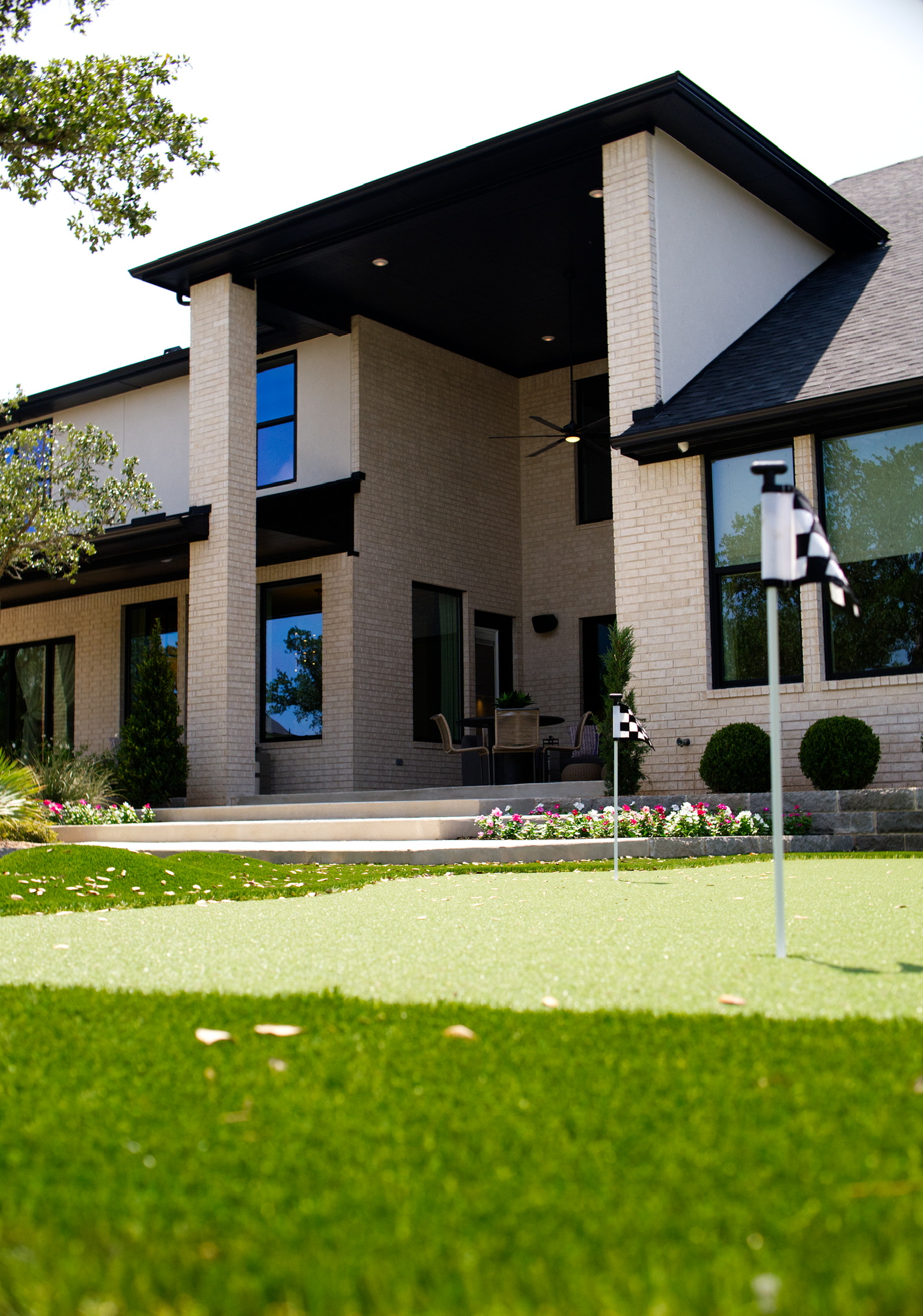
A putting green’s performance, true roll, consistent break, no wrinkling at the edges, is decided before a single blade of synthetic turf gets rolled out. Waterloo Turf does not install putting green turf directly onto existing soil. The area gets excavated and a compacted base of crushed stone or decomposed granite goes in first, shaped to mimic the drainage a natural green relies on. Skip that step, or shortcut it with a thin layer over dirt, and a green will shift, pool water after storms, and develop dips that throw off every putt within a season or two.
For Alpharetta properties with clay-heavy soil, this groundwork matters even more than it might in sandier areas. Clay drains slowly on its own, so the compacted base underneath the turf is what keeps a green playable instead of soggy after a Georgia thunderstorm.
HOA Approval in Alpharetta Communities
Many Alpharetta neighborhoods have architectural review boards that weigh in on anything visible from the street or a shared backyard sightline, and a putting green is no exception. Homeowners inside an HOA should check covenants for artificial turf language before scheduling installation, some associations have specific rules about turf color, border materials, or visibility from adjoining lots. Waterloo Turf can design a green around a documented HOA requirement, but securing that approval is the homeowner’s responsibility to handle first. Starting that conversation with the HOA early avoids having to modify a finished installation after the fact.
Irrigation, Drainage, and Protecting What’s Already There
Most backyards being considered for a putting green already have sprinkler heads running through that section of lawn. Before installation begins, the irrigation lines under the planned green area get capped off, which also removes the ongoing cost of watering ground that no longer needs it.
Drainage planning goes further than the green’s footprint. Pool decking, existing hardscape, and the natural slope of the yard all factor into where water needs to go once it’s no longer soaking into bare turf-covered dirt. Reflections off low-e windows on the home or a neighboring property are also assessed during the site visit, a factor that doesn’t come up with natural grass but can affect turf fibers over time if it’s overlooked.
How Georgia Heat Affects a Putting Green’s Lifespan
Synthetic turf installed in full Georgia sun behaves differently than turf tucked into a shaded side yard. Waterloo Turf uses non-toxic, lead-free, UV-stabilized materials rated to hold up for 12 to 20 years in hot climates, which is relevant on south-facing Alpharetta lots that get direct sun most of the day. UV stabilization slows the fading and brittleness lower-grade turf develops after a few Georgia summers. It does not make a green immune to wear, but it is the difference between turf that still looks like a green after a decade and turf that needs replacing in three or four years.
Keeping a Backyard Green Low-Maintenance, Not Maintenance-Free
A synthetic putting green cuts out mowing, watering, and reseeding, but it is not a zero-maintenance surface. Debris, pollen, and pet activity still call for occasional rinsing and light brushing to keep the nap standing correctly for a true roll. Homeowners who treat that upkeep as optional tend to notice flattened traffic paths near the cup first, the fix is brushing, not replacement, but it does need to happen on some regular basis.
For households with pets using the same yard as the putting green, drainage through the compacted base is what keeps odor from building up after rain, rather than sitting on top of a surface with nowhere for moisture to go.
Putting Green Installation FAQ
Does the green go in on top of our existing grass or dirt?
No. Waterloo Turf excavates the area and compacts a crushed stone or decomposed granite base first. Installing turf directly over soil is not part of how the team works, regardless of how level the yard looks on the surface.
What happens to the sprinkler line that currently waters that spot?
It gets capped off as part of installation, so that section of the yard stops pulling from the irrigation system entirely.
Will the green fade or crack after a few Alpharetta summers?
The UV-stabilized, lead-free materials used are rated for 12 to 20 years in hot climates, which covers the kind of direct-sun exposure common on many Alpharetta lots. Shaded yards will generally see even less wear over that span.
Do we need HOA approval before scheduling installation?
If the property is in an HOA, yes, check the covenants for turf-specific language and get sign-off before the install date, since requirements vary by community.
Can a green go in near our pool without water pooling back toward the house?
That’s part of what gets mapped during the site assessment. Drainage around existing hardscape and pool decking is planned before excavation starts, not adjusted afterward.
For homeowners in Alpharetta ready to move from questions to a site assessment, Waterloo Turf’s local team can walk the yard, flag any HOA or drainage considerations specific to the property, and scope what a properly built putting green base requires before any turf is ordered.
Back