Artificial Turf Terminology Explained: A Homeowner’s Guide To Turf Specs In Fort Worth
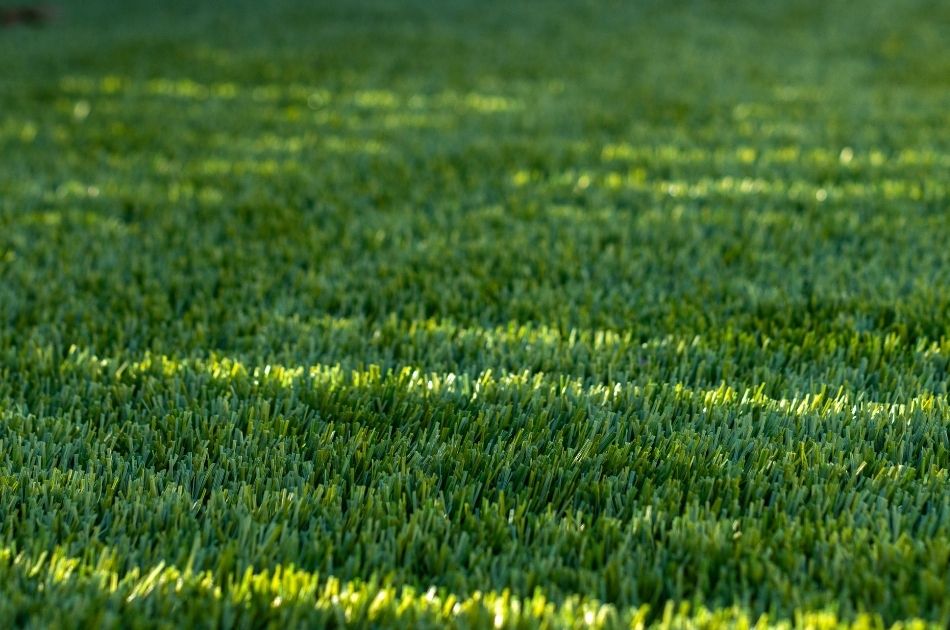
Artificial turf has come a long way from the stiff, plastic-looking grass people remember from decades past. Today’s turf products are engineered with advanced materials, realistic color blends, and performance-driven specs that make them nearly indistinguishable from natural grass without the constant watering, mowing, or maintenance.
But with that innovation comes complexity.
If you’ve ever looked at an artificial turf product tag or spec sheet and felt overwhelmed by unfamiliar terms, you’re not alone. Words like pile height, face weight, thatch, and blade color get tossed around often, yet few people take the time to explain what they actually mean or why they matter to you as a homeowner.
Understanding turf terminology isn’t about becoming an industry expert. It’s about being an informed buyer. When you know what these specs mean, you can confidently choose a turf product that fits your space, your lifestyle, and your expectations.
This guide breaks down the core artificial turf terms you’ll see on almost every turf tag.
Why Turf Specifications Matter More Than You Think
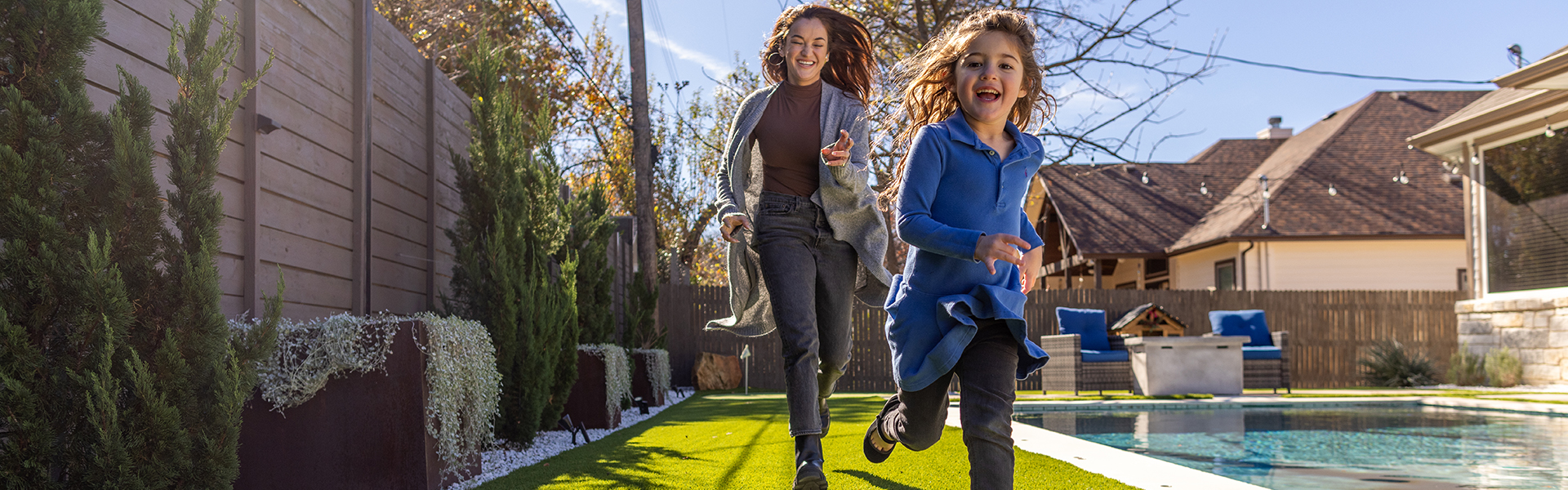
Artificial turf is not one-size-fits-all. The turf that works beautifully in a low-traffic front yard may not be the right choice for a backyard with kids, dogs, and daily use. Likewise, a putting green has entirely different performance needs than a decorative lawn.
Turf specs help define:
- How realistic the turf looks
- How soft or firm it feels underfoot
- How well it holds up over time
- How it performs in different environments
When you understand these specifications, you can stop comparing turf products based on price alone and start evaluating them based on value and performance.
Pile Height: Understanding Blade Length
Pile height refers to the length of the turf blades, measured from the base of the backing to the tip of the blade. In simpler terms, it’s how tall the grass stands.
Typical Pile Height Ranges
Most residential turf products fall somewhere between:
- 1 inch
- 1.5 inches
- 1.75 inches
Each range serves a different purpose and creates a different visual and functional effect.
Shorter Pile Height
Shorter pile heights tend to:
- Look more manicured and tidy
- Work well for putting greens, patios, or modern landscapes
- Require less brushing to maintain blade structure
However, very short turf can sometimes appear less lush or forgiving underfoot, depending on the overall product design.
Taller Pile Height
Taller pile heights:
- Create a fuller, more luxurious appearance
- Feel softer and more natural when walked on
- Are popular for backyards, play areas, and pet spaces
That said, taller blades need proper density and support to avoid matting over time. Pile height alone doesn’t determine quality; it must be evaluated alongside other specs.
Key takeaway: Pile height defines the look and feel of your turf, but taller doesn’t automatically mean better.
Face Weight: The Thickness Of The Turf
One of the most misunderstood turf specs is face weight.
Face weight refers to the amount of yarn (the blades themselves) used per square yard of turf, measured in ounces. In practical terms, it tells you how thick or dense the turf product is.
What Face Weight Actually Means
- A 50-ounce turf product will feel thinner and less dense
- A 90-ounce turf product will feel fuller and more substantial
This doesn’t mean that higher face weight is always necessary, it simply indicates how much material is packed into the turf surface.
Why Face Weight Matters
Face weight impacts:
- Turf durability
- How well blades stand upright
- Overall realism and fullness
Higher face weight generally means:
- Better resilience in high-traffic areas
- Longer lifespan
- Less visible backing over time
Lower face weight products can still be appropriate for:
- Decorative areas
- Low-traffic spaces
- Budget-conscious projects
Key takeaway: Face weight is a straightforward indicator of turf thickness nothing more, nothing less.
Thatch: The Hidden Layer That Makes Turf Look Real
One of the biggest visual differences between cheap artificial turf and premium turf is the presence of thatch.
Thatch refers to the shorter fibers woven into the turf beneath the main blades. These fibers sit lower in the product and help support the blades while adding depth and realism.
What Thatch Does
- Mimics the undergrowth of natural grass
- Prevents blades from laying flat
- Adds color variation and texture
Without thatch, turf can look flat, shiny, and artificial. With it, turf gains dimension and a more organic appearance.
Thatch Color Options
Common thatch colors include:
- Brown
- Olive green
- Field green
Many high-quality turf products use a blend of these colors to replicate what you’d see in real grass where not every blade or layer is the same shade.
Key takeaway: Thatch lives deep in the turf and plays a major role in realism and blade support.
Blade Color: More Than Just “Green”
At first glance, artificial turf may seem like it’s simply green. In reality, blade color is one of the most important factors in how natural turf looks.
Single-Color Vs. Multi-Color Blades
Lower-quality turf often uses a single shade of green, which can appear:
- Flat
- Artificial
- Plastic-like in direct sunlight
Premium turf products blend multiple blade colors to create a more lifelike look.
Common Blade Colors
- Field green
- Olive green
- Lighter or darker accent tones
When combined with thatch fibers, these variations mimic the subtle inconsistencies found in natural lawns.
Why Color Blending Matters
Natural grass isn’t uniform and artificial turf shouldn’t be either. Color blending:
- Reduces shine
- Improves realism from a distance
- Helps turf blend into surrounding landscaping
Key takeaway: Blade color variation is a major reason some turf looks real and some doesn’t.
Reading A Turf Tag: Putting It All Together
Every turf product tag or spec sheet is essentially telling the same story just in technical language.
When you look at a turf tag, you’re typically seeing:
- Pile height (blade length)
- Face weight (thickness/density)
- Blade color blend
- Thatch color and composition
Understanding these specs allows you to:
- Compare products accurately
- Ask better questions
- Avoid marketing fluff
Instead of being swayed by buzzwords, you can focus on how the turf will actually perform in your space.
Choosing The Right Turf For Your Space
Not all turf is meant for the same application. The “best” turf is the one that fits your specific needs.
For Backyards And Family Spaces
Look for:
- Moderate to taller pile height
- Higher face weight
- Multi-color blade blends
- Supportive thatch layer
For Pets
Prioritize:
- Durable face weight
- Proper drainage (beyond just surface specs)
- Blade structure that resists matting
For Decorative Or Low-Traffic Areas
You may be able to use:
- Lower face weight
- Shorter pile height
- Simpler color blends
Key takeaway: Turf performance depends on matching specs to real-life use.
Knowledge Is What Separates Turf Pros From The Rest
Artificial turf is an investment. Like any investment, the more you understand it, the better decision you’ll make.
True turf professionals don’t rely on vague claims or surface-level descriptions. They understand what’s in the product, how it’s built, and why those details matter for homeowners long after installation day.
When you know what pile height, face weight, thatch, and blade color really mean, you’re no longer guessing you’re choosing with confidence.
And that confidence leads to a turf lawn that looks great, performs well, and gives you exactly what artificial grass is meant to deliver: more time, less maintenance, and a yard you can enjoy year-round.
Contact us today for a free quote and let’s start designing your dream yard. https://waterlooturf.com/Fort-Worth/freeestimate/
Back