Why Base Materials Matters For Artificial Turf In Fort Worth
When homeowners start exploring artificial turf, most of the attention goes to the turf itself the color, softness, and how natural it looks. But what many people don’t realize is that the real secret to a long-lasting, beautiful artificial lawn lies beneath the surface.
Just like building a house requires a strong foundation, installing artificial turf requires a carefully prepared base layer. This often-overlooked component plays a major role in how your turf looks, feels, drains, and performs for years to come.
For homeowners in Fort Worth, understanding the role of the base layer can make the difference between a turf lawn that stays perfect for years and one that develops bumps, drainage issues, or wear over time.
At Waterloo Turf Fort Worth, we emphasize proper groundwork because the base is what ensures the turf remains stable, safe, and visually appealing long after installation day.
Let’s explore what the base layer is, why it matters so much, and how the right materials create the ideal artificial lawn for your home in Fort Worth.
What Is The Base Layer In An Artificial Turf Installation?
The base layer, often called the sub-base, is the foundational material installed underneath artificial turf.
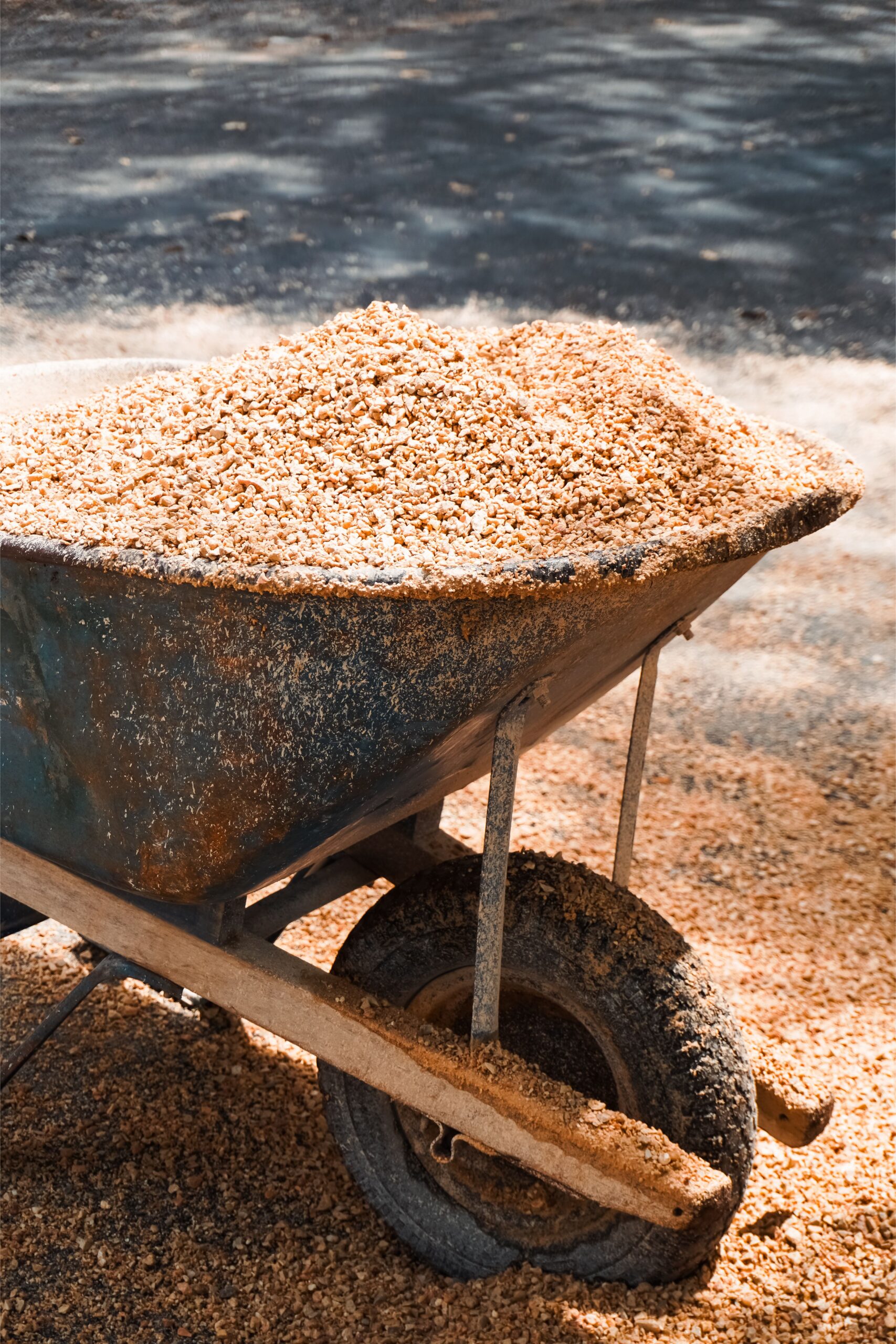
Before turf is laid down, installers remove the existing soil and prepare the area. After excavation, layers of compacted materials usually aggregates like crushed stone, gravel, or decomposed granite are installed to form a stable foundation.
This layer serves several important purposes:
- It creates a stable, level surface
- It supports the turf and prevents movement
- It allows water to drain properly
- It improves durability over time
Think of it as the structural backbone of your lawn. Without a solid base layer, even the highest-quality turf can struggle to perform well.
Why The Base Material Is So Important
For homeowners in Fort Worth, the base layer is one of the most important aspects of an artificial turf installation.
A properly installed base does much more than simply hold the turf in place. It creates an even, supportive surface that keeps the turf looking natural and prevents shifting or sinking over time.
A well-built base layer helps:
- Prevent uneven surfaces
- Reduce settling or sinking
- Improve drainage during rain
- Increase the overall lifespan of the turf
- Minimize maintenance needs
In many ways, the base layer actually improves upon natural soil conditions, providing better drainage and support than traditional grass lawns.
At Waterloo Turf Fort Worth, our professional installers take the time to prepare the base correctly because it ensures the turf performs beautifully for many years.
What Happens If Turf Is Installed Without A Proper Base?
Skipping or rushing the base preparation is one of the biggest mistakes that can happen during an artificial turf installation.
Without a proper base layer, several issues can develop over time.
Homeowners may notice:
- Uneven surfaces or depressions
- Turf that buckles or wrinkles
- Water pooling after rain
- Increased weed growth
- Edges separating or lifting
These problems aren’t just cosmetic. Uneven turf can create trip hazards and make the lawn less enjoyable for families, pets, and guests.
Over time, poor installation can also shorten the life of the turf significantly, leading to repairs or replacement much sooner than expected.
That’s why investing in proper groundwork from the start is so important for homeowners in Fort Worth.
Common Base Materials Used Under Artificial Turf
Several different materials can be used to create a strong base layer. Each has its own advantages depending on climate, soil conditions, and the intended use of the space.
Some of the most common base materials include:
- Crushed stone or gravel
- Decomposed granite (DG)
- Class II road base
- Crushed miscellaneous base (CMB)
- Crushed limestone
These materials are chosen because they compact well and allow water to drain efficiently, two key factors for a successful turf installation.
What Is Decomposed Granite?
One of the most popular base materials for artificial turf is decomposed granite, often referred to as DG.
Decomposed granite forms naturally as granite rock slowly breaks down into smaller particles over time. The result is a mixture of fine gravel and dust-like particles that compact extremely well.
DG typically ranges from 3/8-inch particles down to fine dust, creating a dense and stable surface when compacted.
Homeowners often appreciate DG because it offers:
- Excellent drainage
- Strong compaction
- Natural earth tones that blend with landscapes
Because of its permeability and ability to resist muddiness, decomposed granite works well in many climates and landscapes.
Crushed Limestone And Road Base: Another Strong Option
Another popular choice for turf installations is crushed limestone, sometimes called limestone chat or screenings.
Limestone is finely crushed stone that compacts easily and allows water to move through the surface quickly.
Similarly, road base materials like Class II base contain a mixture of crushed rock and fines designed specifically for structural support.
Compared to decomposed granite, limestone offers a few advantages:
- Faster drainage in wetter environments
- Excellent compaction for heavy traffic
- Often more widely available and cost-effective
While DG may offer a more natural appearance in some settings, limestone or road base often performs exceptionally well in areas that receive frequent rain or heavy use.
Can Sand Be Used As A Turf Base?
Sand can sometimes be used as part of an artificial turf base, but it typically isn’t used alone.
Coarse builder’s sand may be added as a thin leveling layer over compacted gravel or stone, helping installers create a smooth surface before laying the turf.
Sand offers some benefits:
- Easy to work with
- Inexpensive
- Good drainage in light-use areas
However, because sand can shift over time, it’s usually combined with more stable materials like gravel.
In specialized installations, such as putting greens, sand may play a larger role in the base design.
Are There Specialized Turf Bases?
Some artificial turf installations require additional layers or specialized materials depending on how the space will be used.
Examples include:
Shock Pads
Playgrounds and sports fields often include foam underlayment or shock pads to provide extra cushioning and improve safety for children and athletes.
Drainage Mats
For installations on hard surfaces like patios or terraces, drainage mats or geotextile fabrics can improve water flow beneath the turf.
Pet-Friendly Bases
For homes with pets, installers may use clean aggregates without fines. These materials allow liquids to pass through quickly and help minimize odors.
Each installation is slightly different, which is why professional installers carefully assess the property before choosing materials.
Which Base Materials Provide The Best Drainage?
Drainage is one of the biggest advantages artificial turf has over natural grass.
Base materials like crushed stone, gravel, decomposed granite, and limestone chat are ideal because their structure allows water to pass through quickly.
Instead of sitting on the surface, rainwater flows through the turf and into the base layer, where it disperses into the soil below.
For homeowners in Fort Worth, this means fewer muddy areas and a lawn that dries quickly after storms.
How The Base Affects Turf Lifespan
A high-quality artificial lawn can last 15 years or more, but only if it’s installed on a solid foundation.
A proper base layer extends turf lifespan by:
- Preventing settling and shifting
- Supporting foot traffic evenly
- Improving drainage
- Reducing moisture-related damage
Poor base preparation can shorten turf life by 5–10 years, making proper installation one of the most important investments homeowners can make.
Best Base Materials For Heavy Rain Or Poor Drainage
In areas where rainfall is common or the soil drains poorly, the base material becomes even more important.
Materials like crushed rock, gravel, or limestone chat are ideal because they allow water to move through quickly.
Additional layers, such as geotextile fabrics or drainage sheets, may also be added to improve water movement beneath the turf.
These solutions ensure the lawn remains dry, stable, and comfortable to walk on, even after heavy storms in Fort Worth.
How Thick Should The Base Layer Be?
For most residential turf installations, the base layer is typically 3 to 4 inches thick after compaction.
However, the exact thickness can vary depending on the project.
Typical guidelines include:
- Residential lawns: 3–4 inches
- High-traffic areas: 4–6 inches
- Sports or playground spaces: up to 6 inches
The goal is to create a base that’s strong enough to support daily use without shifting or settling.
How The Base Layer Is Compacted
Once the base material is spread across the prepared area, installers compact it to create a firm surface.
Compaction is done in stages:
- The material is installed in 2–3 inch layers
- Each layer is lightly moistened if necessary
- A plate compactor or roller is used to compress the material
- Multiple passes are made until the surface reaches about 95% compaction
This process prevents future settling and ensures the turf stays level.
Different Bases For Different Turf Applications
Not every turf project is the same. Different uses may require slightly different base materials.
For example:
Putting Greens
Often use finer materials like limestone screenings or paver base to create a smooth putting surface.
Playgrounds
Typically include shock pads or foam layers for safety and cushioning.
Pet Turf
Uses aggregates without fines to allow liquids to drain quickly and reduce odor buildup.
Choosing the right base ensures the turf performs exactly the way homeowners expect.
How Professionals Choose The Right Base
Selecting the right base material involves several factors.
Professionals consider:
- Local soil conditions
- Climate and rainfall
- Intended use of the space
- Budget
- Drainage requirements
- Material availability
For example, clay-heavy soils may require extra drainage solutions, while high-traffic areas may need stronger aggregates.
Experienced installers carefully evaluate each site to create a base that balances performance, durability, and cost.
The Hidden Secret To A Perfect Lawn
When homeowners admire a beautiful artificial lawn, they usually notice the lush green grass.
But the truth is that the real work happens underneath.
A properly prepared base layer ensures the lawn remains smooth, stable, and durable for years to come.
With the right base materials and professional installation, artificial turf can deliver a stunning, low-maintenance outdoor space your family will enjoy for many years.
Ready To Transform Your Lawn In Fort Worth?
If you’re thinking about installing artificial turf, remember that the quality of the base layer is one of the most important factors in how your lawn will perform over time. A properly prepared base ensures your turf stays smooth, drains well, and continues to look great year after year.
At Waterloo Turf Fort Worth, every installation in Fort Worth starts with careful planning and the right base materials for the specific soil, drainage, and usage of your space. Taking the time to build a strong foundation helps ensure your artificial turf remains durable, comfortable, and beautiful for many years.
Whether you’re planning a backyard upgrade, pet-friendly lawn, putting green, or low-maintenance landscape, the right installation makes all the difference.
Ready to see what artificial turf could look like at your home? Contact Waterloo Turf Fort Worth today to get a free estimate. Our team will assess your property, discuss your goals, and recommend the best turf solution for your home in Fort Worth. https://waterlooturf.com/fort-worth/freeestimate/
Back