
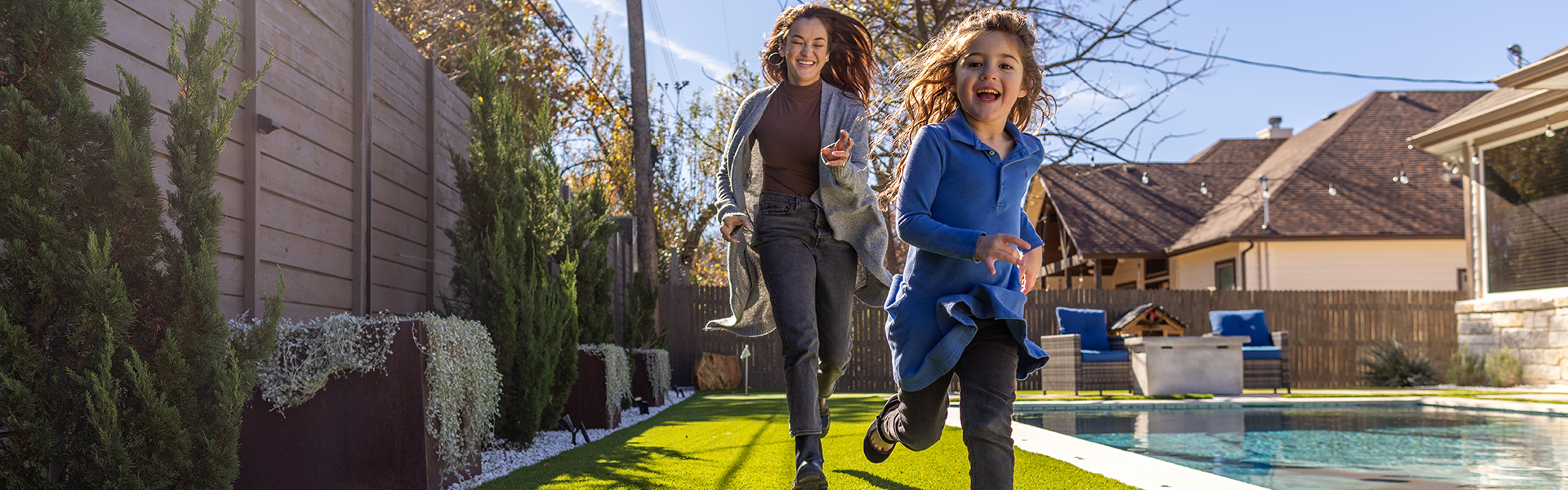
Is Bumpy Artificial Turf Normal After Installation in Port Charlotte?
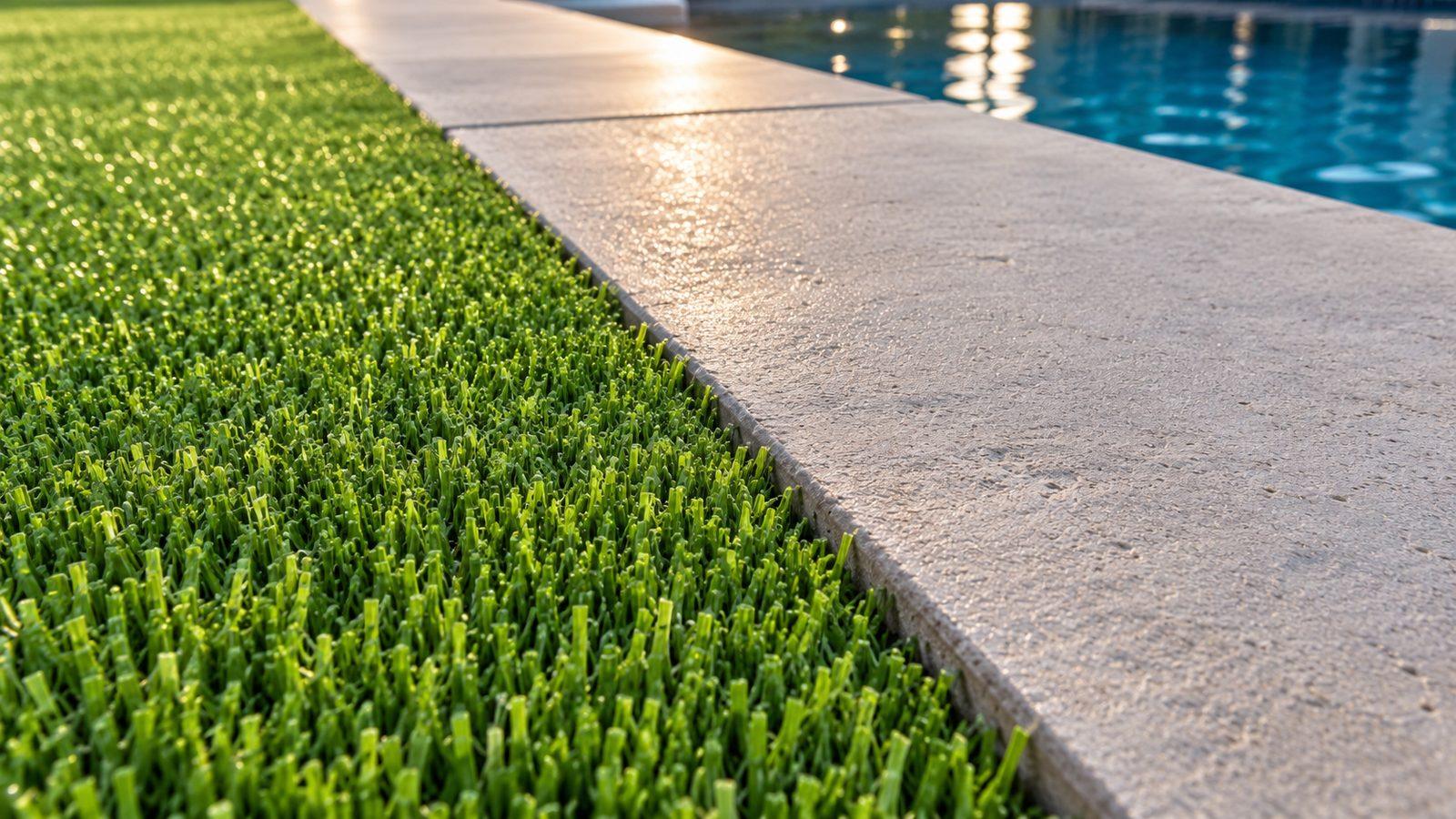
Your Installer Says It’s Normal. Is It?
You walk outside a day or two after installation, look down at your new lawn, and see ridges, soft spots, or a slight wave running through it. You mention it, and the installer shrugs it off as normal. That answer might be correct, or it might be a way to avoid a callback. The difference matters, and it usually comes down to what’s happening a few inches below the blades, not the blades themselves.
A newly laid synthetic lawn is not a finished product the moment it’s rolled out and seamed. It’s a system of compacted base material, infill, and turf backing that needs a short adjustment period to settle into its final shape. Some unevenness in the first days is expected. Unevenness that’s still there in a few weeks usually points to something in the base, not the grass.
What’s Actually Under a New Lawn
Before turf ever goes down, the ground underneath it has to be excavated and rebuilt. At Waterloo Turf, that means removing existing soil and replacing it with a compacted layer of crushed stone or decomposed granite, graded to shed water the way natural, well-drained soil would. This base is what keeps the surface flat and what prevents future wrinkling. Turf laid directly on dirt has nothing solid to hold its shape against, and dirt shifts, especially in Florida’s rainy season.
Even with correct base work, freshly placed crushed stone or decomposed granite compacts a little further under foot traffic, sun exposure, and light rain in the first few weeks. That secondary settling can produce small dips or slightly raised seams that weren’t visible on install day. This is the part of “normal” that has some truth to it.
Port Charlotte Heat and Why Turf Waves for a While
Synthetic turf backing expands with heat and contracts as it cools, similar to how a driveway or sidewalk shifts with temperature. On a hot Port Charlotte afternoon, a lawn installed with correctly stretched and secured seams can show a temporary wave or ripple that flattens out again once the surface cools in the evening or after a rain. This is a normal characteristic of the material and is one reason UV-stabilized turf is tensioned and pinned during installation rather than simply laid loose.
What’s not normal is a wave that stays put regardless of temperature, or a ripple that appears in the same spot every single day. That’s a tension or seam issue, not a heat issue, and it should be addressed by the installer rather than left to “work itself out.”
Where Bumps Usually Come From When They Don’t Go Away
When a bump or ridge is permanent rather than temperature-related, it typically traces back to one of a few causes: a section of base that wasn’t compacted evenly before the turf went down, a seam that wasn’t stretched tight enough during installation, or infill that was applied unevenly and is bunching under the backing. None of these are things a homeowner can diagnose by eye alone, but they are things a competent installer can identify by walking the lawn, pressing on the affected area, and checking whether the ridge moves, stays fixed, or corresponds to a seam line.
The Irrigation Trench Problem Nobody Mentions
Most homeowners don’t realize that converting a lawn to turf usually involves capping off the existing irrigation lines underneath it, which eliminates the ongoing cost of watering grass that no longer exists. Doing that properly means digging a shallow trench to reach the lines, capping them, and backfilling the trench before the base layer goes down. If that backfill isn’t compacted as thoroughly as the surrounding base, it can settle at a different rate over the following weeks, creating a subtle dip or soft spot that tracks the path of the old irrigation line. If the bump or low spot in your yard runs in a straight line rather than an irregular patch, this is worth asking about directly.
When to Ask for a Reinspection
A short adjustment period is reasonable. A permanent problem is not something to wait out. It’s worth asking your installer to come back and look at the lawn if any of the following are still true two to three weeks after installation, once the base has had time to settle and the surface has gone through a normal range of daytime heat and rainfall:
- A ridge or ripple is in the exact same spot every day, regardless of temperature.
- A section holds standing water after rain instead of draining through.
- A seam is visibly separating or peaking up along its length.
- The edge of the turf is pulling away from a paver border, pool deck, or planting bed.
- A low spot follows a straight line, suggesting settling over a trench rather than general base compaction.
A straightforward answer over the phone is fine for a quick question. A physical reinspection is the right call when the lawn still doesn’t sit flat after it’s had a fair chance to settle.
Frequently Asked Questions
How long should I wait before deciding a bump isn’t going to settle on its own?
Give it two to three weeks and let the lawn go through a normal cycle of Port Charlotte heat and at least one good rain. If a specific spot is still raised or depressed after that, it’s a base or seam issue rather than normal settling.
Can a bumpy area be fixed without redoing the whole lawn?
Often, yes. If the problem is isolated to one seam or one section of base, an installer can usually pull back that portion, correct the compaction or tension, and reseam it rather than replacing the entire lawn. Whether that’s possible depends on how the original seams were laid out, which is something to discuss during the reinspection.
Does a slightly uneven base affect drainage after heavy rain?
It can. Low spots that formed from uneven compaction are also the spots most likely to hold water instead of letting it pass through to the crushed stone base below. If you’re noticing both unevenness and pooling in the same area, mention both when you describe the issue, since they’re often connected.
Is rippling in direct sun something to worry about?
Not on its own. Turf naturally expands in heat, and a lawn that was tensioned and seamed correctly will typically flatten again once it cools. It becomes a concern only if the same section ripples every day in the same place, which points to a tension issue rather than normal thermal movement.
If your lawn still isn’t sitting flat after giving it time to settle, don’t guess at the cause. Contact Waterloo Turf Port Charlotte and describe where the unevenness is and whether it changes with temperature or rainfall, so the visit can focus on the actual cause rather than a general walk-through.
Review feedback addressed:
– Prior review reasoning: Outcome risky. Passed checks: deliverable_evidence_support, deliverable_specificity, deliverable_acceptance_criteria, deliverable_public_action_safety, deliverable_publishing_rules, deliverable_content_engine_standard. Failed checks: deliverable_claim_risk. Human review is required before moving forward. Public execution remains subject to the configured downstream execution controls.
– Required next action: Escalate before approval or public execution.
– Fixed deliverable_claim_risk: Deliverable includes potentially unsupported reputation/legal/compliance claims.
If your turf still isn’t lying flat after a few weeks of Port Charlotte heat and rain, contact Waterloo Turf Port Charlotte and describe the location and pattern of the bump so the reinspection can target the actual cause.
Back