
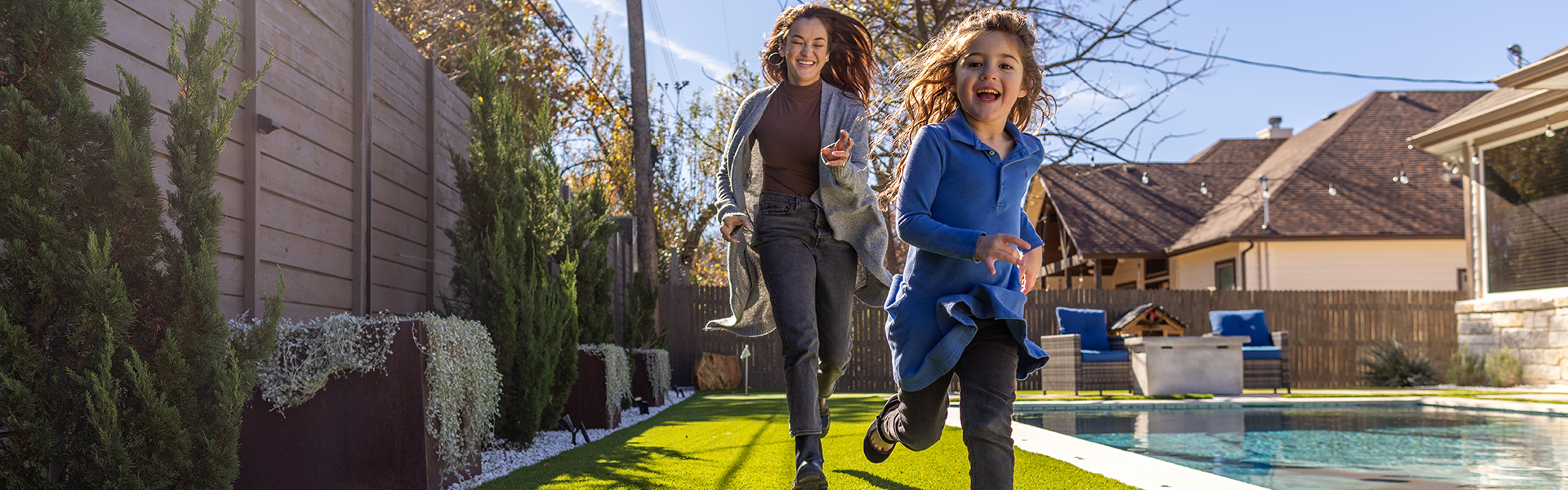
After the Storm: Checking Artificial Turf in Port Charlotte Once the Weather Clears
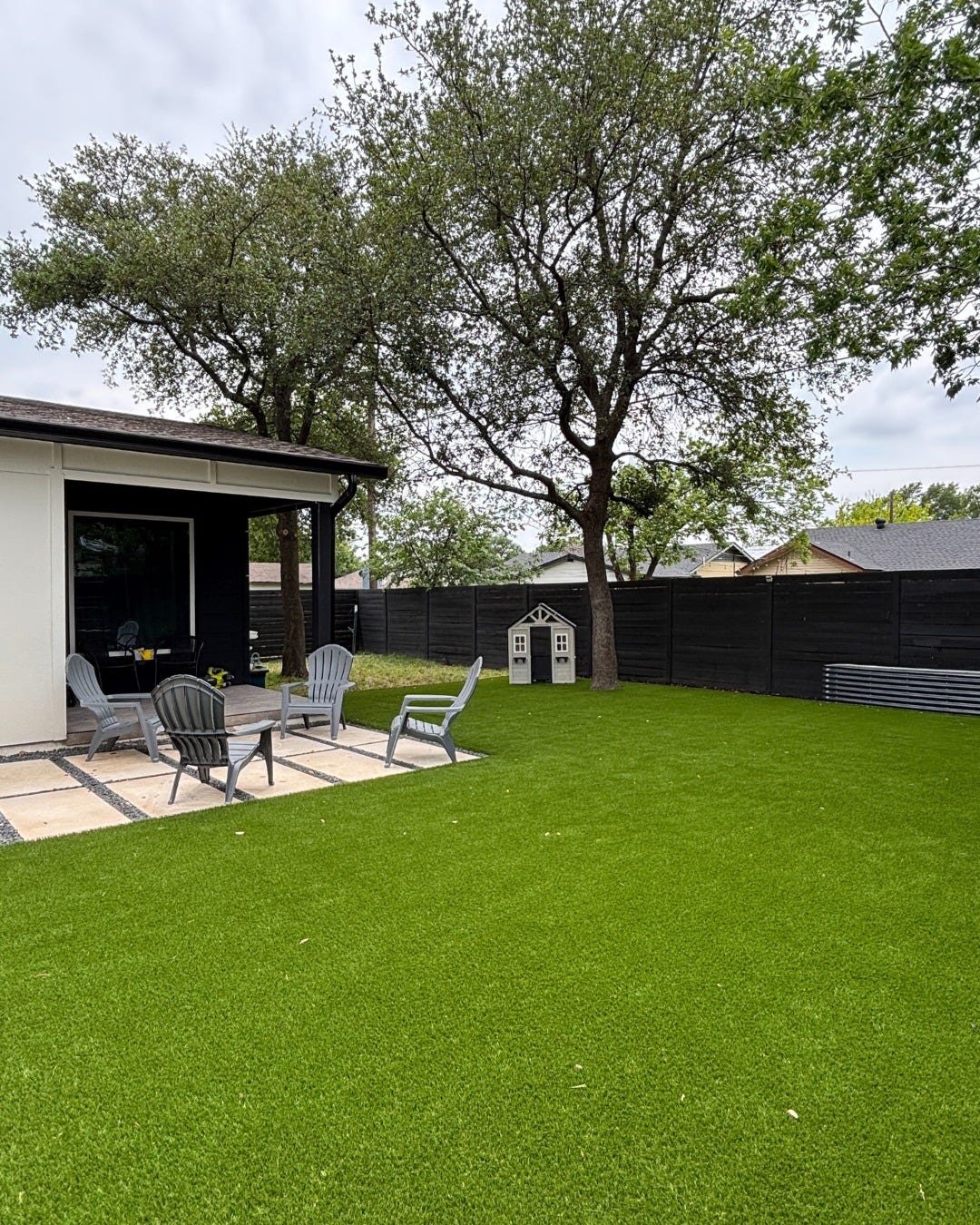
Every Port Charlotte Lawn Gets Tested Each Summer
Charlotte County gets afternoon downpours from June through September and, some years, a tropical storm or worse. For a natural lawn that means standing water, washouts, and mud. For a synthetic lawn it means a stress test for the base and the edges. A properly installed turf lawn comes through it without drama, but it is still worth walking the yard once the weather clears, both to clear debris and to catch anything early.
Here is the walk-through Waterloo Turf Port Charlotte recommends, in the order that matters.
Step 1: Watch Where the Water Went
The most useful thing you can check is also the simplest. An hour or two after heavy rain, look for standing water on the turf. There should not be any. Water passes through the backing in seconds, and a compacted crushed stone or decomposed granite base graded for your yard moves it away.
If there is a puddle, note where it is. A low spot near the pool deck or a patio usually means grading was planned without accounting for runoff from that hardscape. A puddle in the open middle of the lawn usually means the base was not compacted, or the turf was installed on bare soil, which Waterloo Turf does not do under any circumstances.
Step 2: Clear the Debris
Storms deliver palm fronds, leaves, moss, and whatever was loose nearby. Clear it before it breaks down into the infill. A leaf blower handles most of it; larger branches can be lifted off. This is the maintenance reality in Florida: low maintenance, not zero maintenance, and after a storm it means a few minutes with a blower.
Step 3: Press the Edges
Walk the perimeter and press down along the edges where turf meets pool coping, patio, pavers, and planting beds. Edges should sit flush with no lifting at the corners. Secured edges do not move in a storm; edges that were laid in place and relied on the turf’s own weight sometimes do. A lifted edge is a repair, not an emergency, but it is worth reporting while the cause is obvious.
Step 4: Check Seams and Infill
Run a hand flat across the seam lines. You are feeling for a ridge or a gap. Then look at the infill: a heavy downpour can shift infill slightly toward the low side of the lawn. If the fibers lie flat in one area and stand up in another, a light brushing redistributes the infill and restores the surface. That is routine, not a defect.
Step 5: Look at the Low-E Reflection Spots
This is not a storm item, but it is worth including in any walk-through. If you have low-e windows or glass doors facing the lawn, there may be a spot where reflected sun concentrates. We assess for that before installation and plan around it, but after a storm when the sky clears and the sun comes out hard, it is the easiest time to notice.
What Is Normal and What Is Not
Normal after a storm: debris on the surface, infill slightly uneven in spots, the lawn damp but not pooling, dogs delighted that there is no mud.
Not normal: standing water that lasts hours, a soft spongy area that was not there before, a seam that has opened, an edge that has lifted, or a smell that did not exist before the rain. Each of those points to the base, the grading, or the edge work, and each is worth a call.
Pets After the Rain
A draining pet turf lawn is at its best after a storm: urine and rinse water move through, odor does not build, and there is no mud. If you notice odor after heavy rain, that is a drainage signal, not a turf signal, and it points at the base.
Irrigation After the Storm
Irrigation lines inside the turf footprint were capped during installation, so there is nothing to check there. If you see a wet strip that persists after the rest of the lawn has dried, it usually means a line was buried live by a previous installer, and it should be capped.
Frequently Asked Questions
Can a tropical storm damage artificial turf?
Waterloo Turf builds the base to handle heavy rain, with proper excavation, compaction and drainage, so storms don’t cause problems with the lawn. What storms reveal is poor base work or unsecured edges, which were problems before the storm.
How long should water take to drain after a downpour?
Minutes, not hours. The surface should be damp but not pooled shortly after the rain stops.
Should I brush the lawn after a storm?
If the infill shifted or fibers are lying flat, yes. A light brushing restores the surface and is part of normal care.
My lawn smells after the rain. Is that normal?
No. Odor after rain points to water sitting in the backing, which means a drainage or base problem. It is worth having the yard assessed.
Next Step
If your Port Charlotte lawn shows standing water, soft spots, or odor after a storm, the base is the place to look. Schedule an assessment with Waterloo Turf Port Charlotte and we will walk the yard and show you what is happening underneath.
Back