Artificial Turf in Charlotte, NC: A Buyer’s Guide to What Actually Matters
Charlotte’s Clay Soil Is Usually the Real Problem, Not the Grass
If you’ve collected a few artificial turf quotes in Charlotte, you’ve probably noticed the prices don’t line up as neatly as the product photos do. That gap usually has nothing to do with the grass itself and everything to do with what happens before the grass ever gets rolled out.
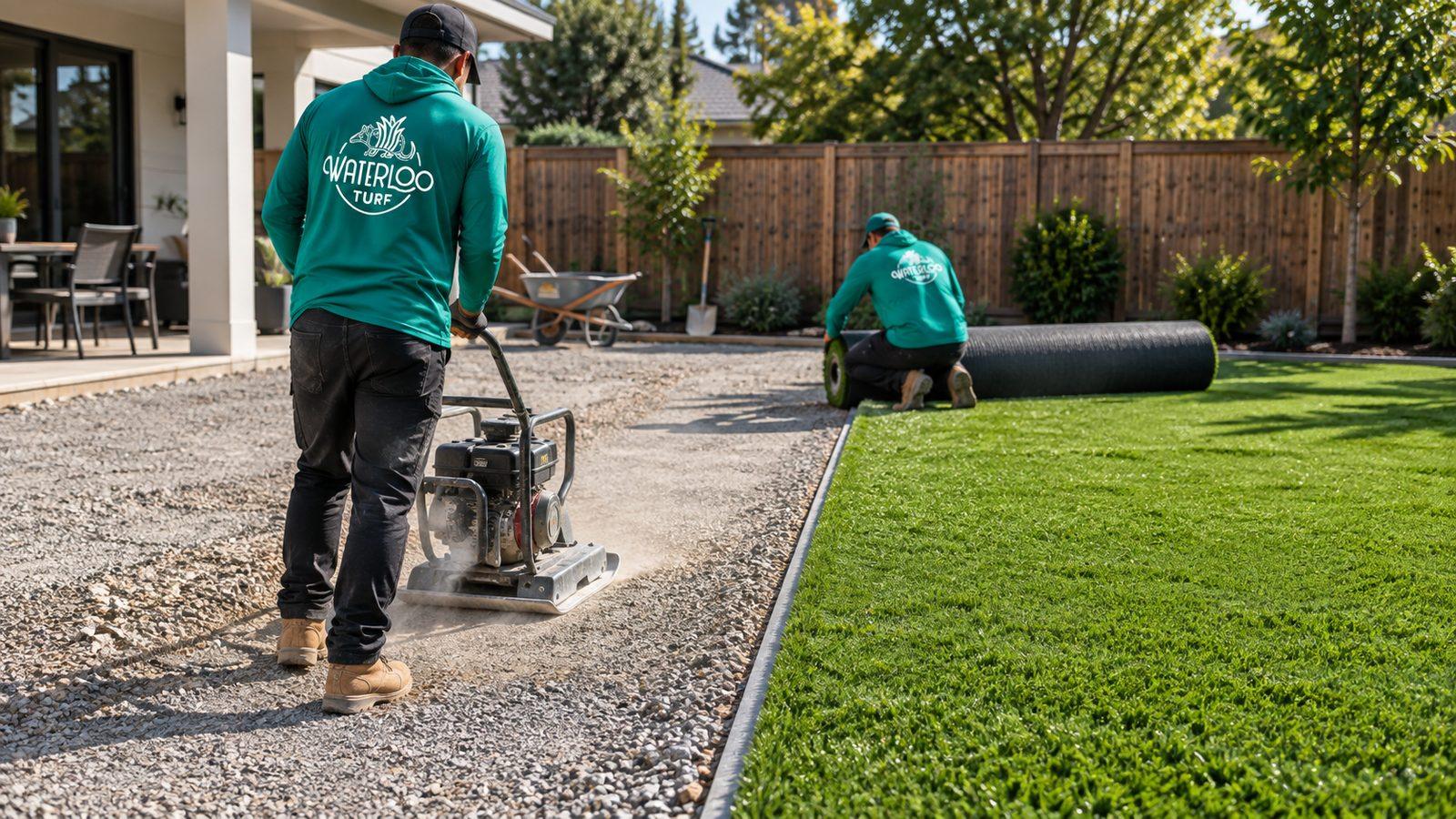
Charlotte sits on Piedmont clay, which drains slowly and shifts with moisture. Turf installed directly over that soil, even soil that’s been raked and leveled, tends to pool water, wrinkle, and sink within a year or two. Waterloo Turf Charlotte doesn’t install onto dirt at all. The base gets excavated and rebuilt with compacted crushed stone or decomposed granite, engineered to move water the way healthy soil would. It’s the least visible part of the job and the part that determines whether the lawn still looks tight and drains properly five years from now.
HOA Approval Comes Before the Excavator, Not After
A large share of Charlotte neighborhoods run through an HOA, and turf isn’t automatically on the approved materials list the way sod is. Some associations want product specs and drainage plans before they’ll sign off; others have restrictions on pile height or color that aren’t obvious until someone asks. Getting that approval square before installation day matters more than picking a specific turf style, because rework after the fact costs more than getting it right the first time. If you’re in an HOA community, that conversation belongs early in the process, not after a crew shows up.
What Happens to Your Sprinkler System Once Turf Goes Down
One detail homeowners often don’t think to ask about: existing irrigation. If sprinkler lines under a future turf area are left active, they’ll keep running under a surface that no longer needs them, which wastes water and can eventually push moisture up under the base. Waterloo Turf caps off irrigation lines in the turf footprint during installation so there’s no ongoing water draw in that zone. It’s a small step, but it’s the difference between a lawn that actually stops your water bill from climbing and one that quietly keeps costing you.
Pet Owners: Odor Control Happens Underground
Pet odor is the concern that comes up most with families converting a yard for dogs. The instinct is to look at the turf fiber itself (antimicrobial claims, infill type) but odor control is mostly a drainage problem. Urine that has nowhere to go sits in the base layer and that’s where smell develops over time. A properly built, permeable base with adequate drainage underneath is what actually carries waste through instead of trapping it. Turf laid over compacted dirt without that drainage layer is the more common cause of lingering odor complaints, not the grass itself.
On safety: the materials used are non-toxic and lead-free, which matters for households with kids and pets spending real time on the surface, not just walking across it.
How Turf Actually Holds Up Through a Charlotte Summer
Charlotte summers run hot and humid, and turf that isn’t UV-stabilized will fade and become brittle faster in direct sun. The materials Waterloo Turf uses are rated for 12 to 20 years in hot climates, which is a realistic window rather than a lifetime promise: turf is a long-term investment, not a permanent one. It’s worth being direct about maintenance too: this is a low-maintenance lawn, not a zero-maintenance one. Occasional rinsing and light brushing keep the fibers standing and the surface performing the way it should, especially in yards that get heavy pet or foot traffic.
Pools, Patios, and Sun Glare Off Low-E Windows
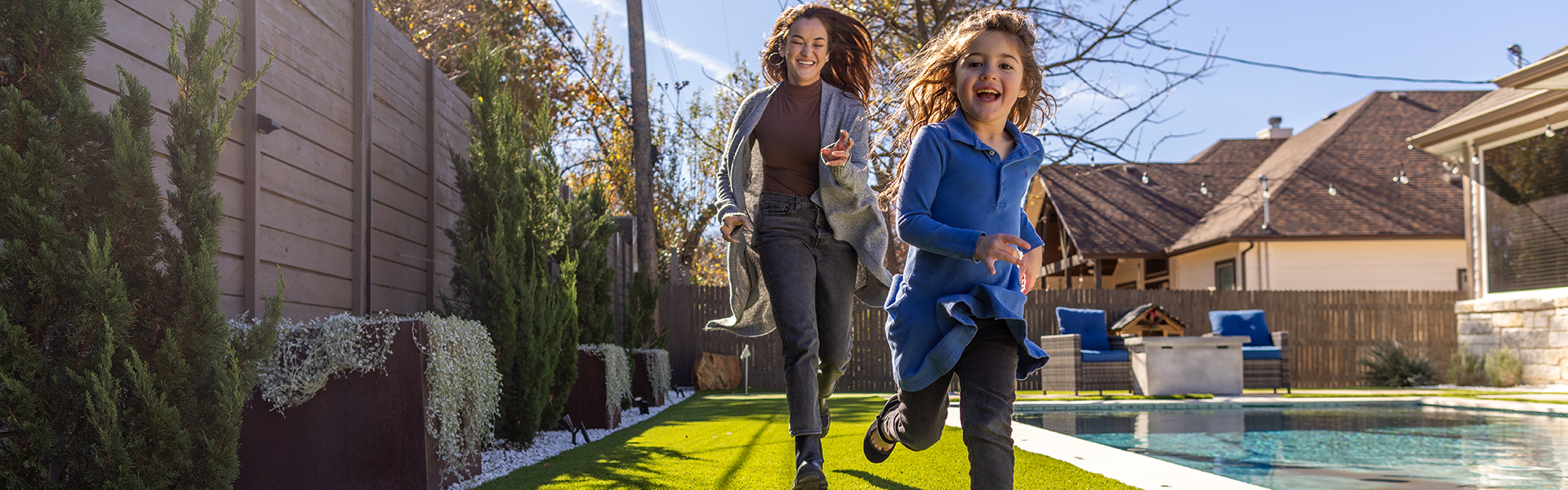
Yards with pools or existing hardscaping need a slightly different plan than an open backyard. Drainage has to route around pool decking rather than toward it, and installers need to account for how water will move once a hard-edged pool or patio interrupts the natural slope. There’s also a less obvious issue in some Charlotte homes: low-E window coatings can reflect concentrated sunlight onto nearby surfaces, including turf, and that reflected heat can affect performance in that specific spot. It’s a detail that only shows up if someone actually walks the yard and checks sight lines to the windows before installation, not after.
FAQ
Does turf need a different base for a sloped Charlotte backyard?
Yes. Slope affects how the crushed stone or decomposed granite base is graded and compacted, since the goal is controlled drainage rather than just a flat surface. A yard with grade changes needs that mapped out before excavation starts.
Will my HOA actually reject artificial turf?
Some associations approve it readily, others have specific requirements around pile height, color, or documentation. It depends on the individual HOA’s rules, which is why confirming this before installation avoids costly changes later.
Is putting green turf installed the same way as a backyard lawn?
The base work follows the same non-negotiable principle, no installing onto bare soil, but putting greens require tighter grading tolerances and different pile specifications to get consistent ball roll.
How does capped irrigation affect the rest of my yard’s watering system?
Only the lines running through the turf footprint get capped. Zones still watering garden beds, trees, or remaining grass areas stay connected and unaffected.
If you’re weighing artificial turf for a Charlotte yard with clay soil, an HOA, a pool, or pets, talk to Waterloo Turf Charlotte about a site assessment before you compare quotes: the base plan and drainage details matter more than the turf sample. Reach the Charlotte team through waterlooturf.com/charlotte or the Waterloo Turf Charlotte Google Business listing.
Back