Getting HOA Approval for Artificial Grass in Charlotte: What to Submit and When
Most Charlotte Subdivisions Have a Review Step
Charlotte and its surrounding communities are full of planned neighborhoods with covenants, and most of those covenants include some form of architectural review for exterior changes. Artificial grass almost always qualifies as an exterior change. That is not a reason to worry; it is a reason to plan the paperwork at the same time as the installation.
Waterloo Turf Charlotte has helped homeowners through this process enough times to know what boards tend to ask for, and we would rather hand you the documents up front than have the install sit on hold waiting for a meeting.
Step 1: Read the Covenant Language Before Anything Else
Every HOA writes its rules differently. Some name artificial turf specifically, some lump it under “landscaping changes,” and a few say nothing at all, which usually means it falls to the architectural committee’s discretion. Before scheduling anything, find the section on exterior modifications or landscaping and read exactly what it says. We do not assume approval on a homeowner’s behalf, and we would encourage you not to either.
Step 2: What a Typical Submission Includes
Boards vary, but the following covers most requests we have seen in the Charlotte area:
- A simple site plan showing where the turf will go, usually a sketch or a marked-up photo is enough.
- Product specifications for the turf: pile height, color, backing type, and the fact that it is lead-free and non-toxic.
- A description of the base and drainage approach, since boards sometimes worry about runoff affecting neighboring lots.
- Photos or samples of the turf so the committee can judge appearance from the street.
- Confirmation that existing irrigation will be capped and that landscaping outside the turf area stays as is.
We supply the product documentation and the base and drainage description. You supply the site plan and the application form your HOA uses.
Step 3: Timing the Submission
Architectural committees often meet monthly, and some require submissions a week or two ahead of the meeting. The practical sequence we recommend: schedule a site assessment first so the layout and product are settled, submit to the HOA with our documentation, and book the installation for after the approval window. Submitting before the layout is settled tends to cause a second round of questions.
What Boards Usually Ask About
The questions we hear most often from Charlotte-area committees are predictable:
Drainage. Will water run onto a neighbor’s lot? A properly excavated and compacted crushed stone or decomposed granite base, graded to move water the way the yard already does, answers this. We do not install on bare soil, and we say so in the documentation.
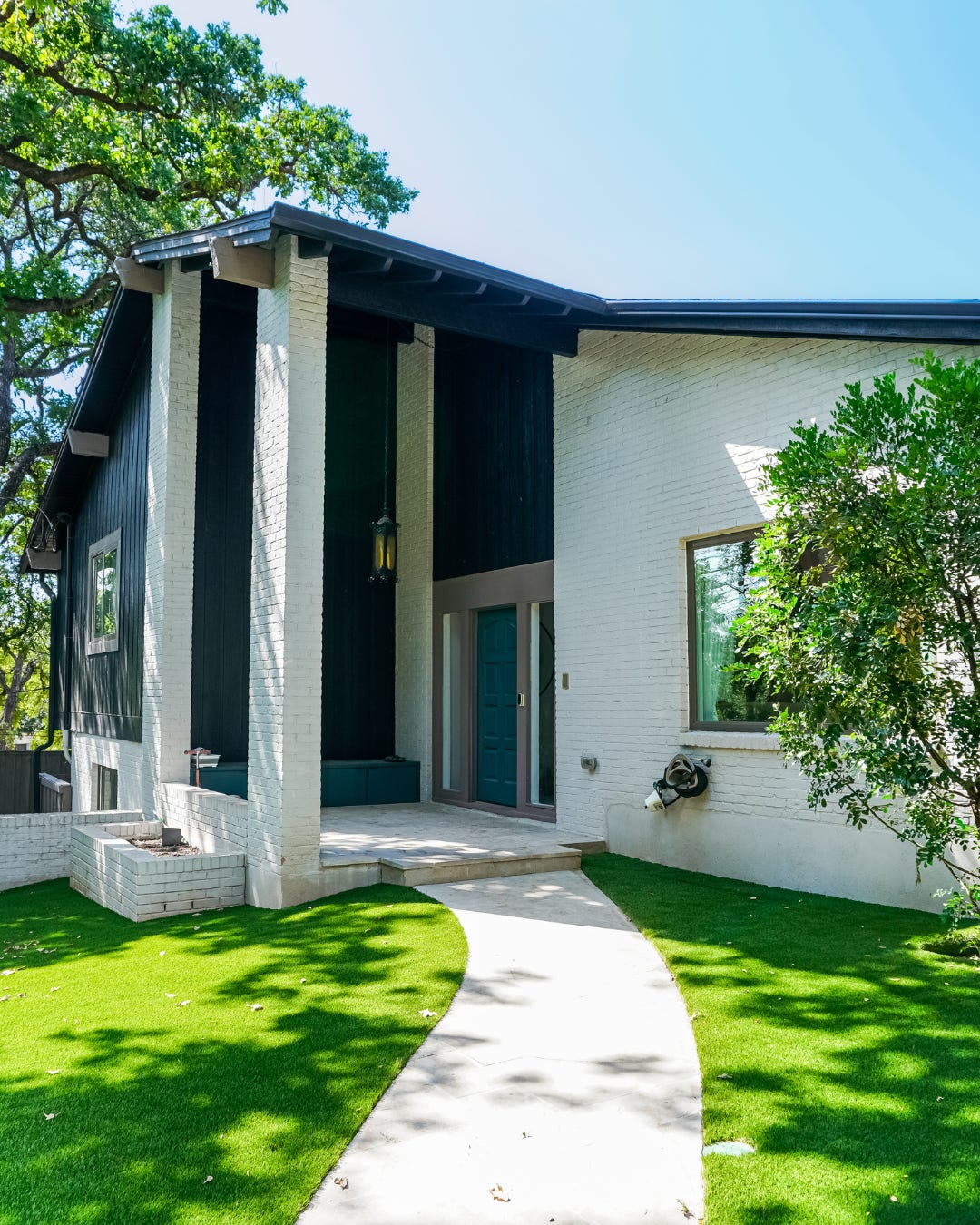
Appearance from the street. Boards want to know it will look like a lawn. Product photos and a sample handle this.
Heat and reflection. Occasionally a committee has heard that turf gets hot. Our materials are UV-stabilized and built for hot climates, and we assess yards for low-e window reflections during planning.
Maintenance. Some covenants require lawns to be kept in good condition. Turf is low maintenance, not zero maintenance: occasional rinsing and brushing keep it looking the way it did on day one, which is usually an easier standard to meet than a natural lawn.
Step 4: Keep the Approval With Your Records
Once approved, keep the written approval with your closing documents. If you sell the house, the next owner may be asked for it, and a dated approval settles the question quickly.
If the Board Says No
It happens occasionally, usually over appearance in a front yard rather than a backyard. A rejection often comes with conditions: a different pile height, a natural color blend, or limiting the turf to the rear of the property. Bring the feedback back to us and we will adjust the proposal rather than argue with the board on your behalf.
Frequently Asked Questions
Do I need HOA approval for a backyard that no one can see from the street?
Depends on the covenant. Many HOAs review all exterior changes regardless of visibility. Read the rules before assuming.
Can Waterloo Turf submit the application for me?
We provide the technical documentation and can answer committee questions about materials and installation. The application itself usually has to come from the homeowner.
How long does approval take?
Commonly two to six weeks depending on meeting schedules. Submitting right after the site assessment keeps it from delaying the install.
What if my HOA bans artificial turf outright?
Some older covenants do. In that case the path is a variance request or a covenant amendment, which is a homeowner-to-board conversation. We can supply documentation to support it.
Next Step
If you are in a Charlotte HOA community and want turf without a paperwork headache, start with a site assessment. We will settle the layout, hand you the specifications your board will ask for, and schedule the install around the approval.
Back