
How Has Artificial Turf Changed In The Past Decade In Dallas?
If you still imagine artificial turf as stiff, neon-green carpet from the Astrodome era, you’re officially behind by about ten years. The artificial turf industry has experienced one of the most dramatic transformations of any home-improvement category. What was once niche, expensive, and easily spotted as “fake” has evolved into a beautiful, durable, pet-friendly, and mainstream solution for homeowners and commercial properties alike.
In the last decade, manufacturers have completely reimagined turf aesthetics, improved fiber performance, developed pet-safe technologies, and built recyclable systems. At the same time, public perception has shifted, prices have become more accessible, and turf has spread from backyards into commercial spaces across the country.
Below, we break down how turf has changed in the past decade and where it’s going next.
Turf Look: More Realistic Than Ever
Ten years ago, turf had one look:
flat, shiny, bright green, and obviously fake.
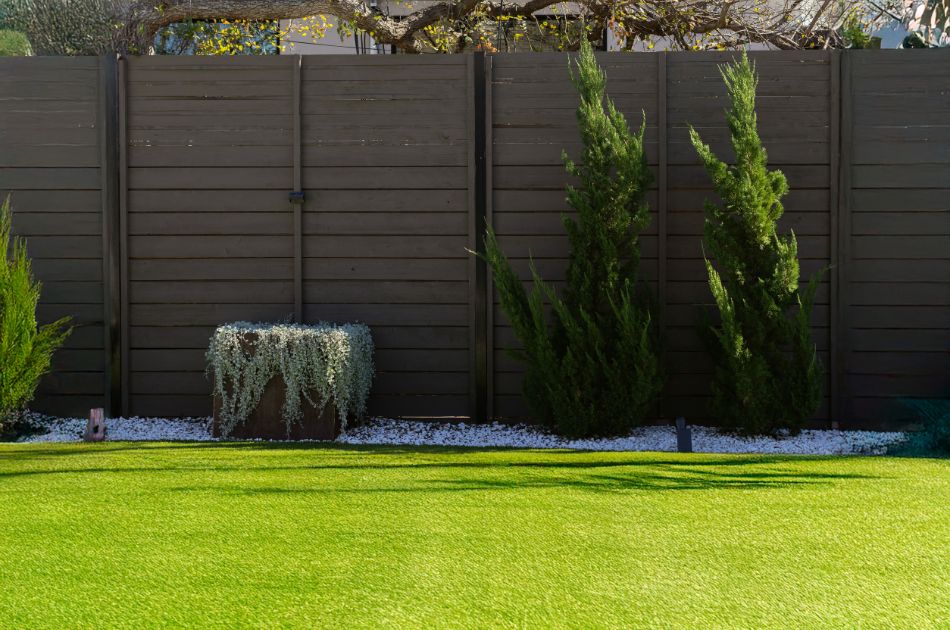
Modern turf, however, has evolved into a highly realistic synthetic landscaping option designed to replicate natural grass with incredible accuracy. Aesthetic improvements include:
Multi-Toned Blades
Today’s turf incorporates several shades of green rather than one uniform color. This gives it depth, dimension, and a much more natural appearance.
Manufacturers now include brown fescue fibers woven into the base to mimic real grass “deadness.” This subtle shading is the difference between a lawn that looks real and one that reads as plastic.
Softer, More Varied Fiber Shapes
New blade designs from S-shaped to V-shaped to flat soft blades, that mimic the way different grasses bend and reflect light.
Higher Density & Pile Height Options
Modern turf is fuller, more textured, and customizable to mimic regional grasses like Bermuda, fescue, or St. Augustine.
This is no longer Astrodome turf. This is a blend designed to replicate an actual yard. The aesthetics alone have driven massive demand, especially in residential neighborhoods.
Turf Durability & Performance: Technology Has Leveled Up
The technological leap in the last ten years is massive. Turf today lasts longer, stays cooler, drains faster, and performs better than the products of the past.
Cooling Yarn Technology
Advanced cooling yarns and heat-reducing pigments help lower surface temperatures by reflecting more sunlight away from the turf fibers.
Better UV Protection
Modern turf fibers resist fading and breakdown far more effectively than they did a decade ago, even under heavy sun exposure.
Fast, Efficient Drainage
Today’s turf drains at 30 inches per hour minimum, while some products drain up to 1,000 inches per hour. This allows turf to stay cleaner, drier, and more usable after rain.
Higher Durability In High-Traffic Areas
New backing systems, stronger stitching, and improved fiber density allow turf to withstand:
- kids running
- pets playing
- sports use
- heavy foot traffic
- outdoor furniture
The turf of 2025 is virtually unrecognizable compared to the turf of 2015 and far more functional for everyday life.
Pet-Friendly Improvements
A decade ago, homeowners were often told not to put turf where their dogs played. Odor buildup, poor drainage, and bacteria concerns made it unrealistic.
Now, every Waterloo Turf Dallas product is pet-friendly.
Deodorizing Pet Infills
Modern infills neutralize ammonia and bacteria, keeping turf fresh even in multi-dog households.
Fully Permeable Backings
Instead of trapping urine, turf now allows liquid to pass directly through.
Fast Drainage Means Cleaner Surfaces
Pet areas stay dry and odor-free, even after heavy use.
Pet-Specific Turf Options
While all products are pet-safe, many lines are designed specifically for:
- dog runs
- kennels
- pet relief zones
- backyards with heavy dog activity
Pet turf has been one of the biggest drivers of industry growth. Homeowners want their dogs to enjoy the yard without the mud, allergens, or dead spots and modern technology finally makes that possible.
Public Perception: Turf Is No Longer A Mystery
Ten years ago, the average installer spent half their time explaining what turf was, how it worked, and what it looked like. Most homeowners had never seen high-quality turf in person.
Artificial turf is now everywhere:
- retail centers
- school playgrounds
- outlet malls
- rooftop lounges
- dog parks
- office courtyards
- backyards
Consumers no longer need an education on synthetic grass they already want it. They just need help understanding the best design for their space.
Turf Is No Longer “Luxury” Pricing Has Shifted
Artificial turf used to be considered an ultra-luxury purchase reserved for high-end homes and commercial properties. Over the last decade, that perception has changed dramatically.
Manufacturing Improvements Lowered Costs
More manufacturers → better competition → better pricing.
Advances in production mean:
- fewer supply chain limitations
- more product variety
- more eco-friendly lines
- better pricing options for homeowners
Demand Made Turf Mainstream
Widespread adoption has helped normalize turf costs. Consumers view it less as a luxury purchase and more as a smart, long-term investment.
Rising Water Costs Accelerated The Shift
Many states have seen water bills rise significantly, especially in the South and West. Turf offers:
- massive water savings
- reduced maintenance
- fewer landscaping expenses
In many cases, the investment pays for itself within 3–5 years.
Accessible To Everyday Homeowners
Artificial turf used to be luxury. Now we’re seeing everyday Americans making the switch.
Where Artificial Turf Is Headed In The Next Decade
The last ten years brought transformation. The next ten will bring personalization.
Turf Becomes The Norm
As awareness grows and water costs rise, turf will become standard in many regions, especially where real grass struggles.
Aesthetic Customization (“The Chipotle of Turf”)
Our prediction is a new wave of personalization. Instead of choosing between a few turf types, homeowners will begin to “build” their ideal turf by selecting:
- green tones
- blade shapes
- density
- shade levels
- cooling yarn options
- thatch colors
- infill types
Turf won’t just mimic local grass, it will match each homeowner’s exact taste.
More Recyclable & Eco-Friendly Solutions
Expect expansion in:
- fully recyclable turf systems
- cleaner infill materials
- sustainable manufacturing practices
Eco-friendly turf will become the default.
Smarter, Faster Installation
Look for:
- better base systems
- improved drainage science
- more durable fibers
- AI measurement tools
- antimicrobial built-in features
The installation process will become even more efficient and precise.
Continued Commercial Expansion
As maintenance costs rise and turf aesthetics improve, commercial demand will grow even faster, from small retail pads to massive industrial campuses.
The artificial turf of today is nothing like the turf of ten years ago. It’s more realistic, more durable, more sustainable, more pet-friendly, and more widely adopted than ever before. What was once a niche product is now a mainstream landscaping solution that homeowners, renters, business owners, and developers are choosing for its beauty, performance, and long-term return on investment.
And the best part?
The turf industry is still just getting started.
Contact us today for a free quote and let’s start designing your dream yard. https://waterlooturf.com/Dallas/freeestimate/
Back