Commercial and Sports Turf in Indianapolis: What a Bid Spread Usually Comes Down To
Two Bids, Two Different Foundations
A facility manager comparing quotes for a sports field, an HOA common area, or a commercial courtyard in Indianapolis will often see numbers that don’t line up. One bid looks reasonable. Another is several thousand dollars higher for what appears to be the same square footage of turf. The difference almost never comes from the grass itself, synthetic turf products from reputable manufacturers are priced in a fairly narrow band. It comes from what’s planned underneath the surface, and whether that plan accounts for Indiana’s freeze-thaw cycles, clay-heavy soil, and seasonal rainfall.
Waterloo Turf Indianapolis Artificial Grass treats base preparation as non-negotiable. The team excavates the existing soil and installs a compacted base of crushed stone or decomposed granite engineered to mimic natural drainage. Turf is not installed directly onto dirt. For a residential backyard, skipping this step shows up as wrinkling or standing water within a season or two. For a commercial property or sports surface carrying daily foot traffic, cutting this corner shows up faster and costs more to fix later.
Why This Matters More for Sports and Commercial Surfaces
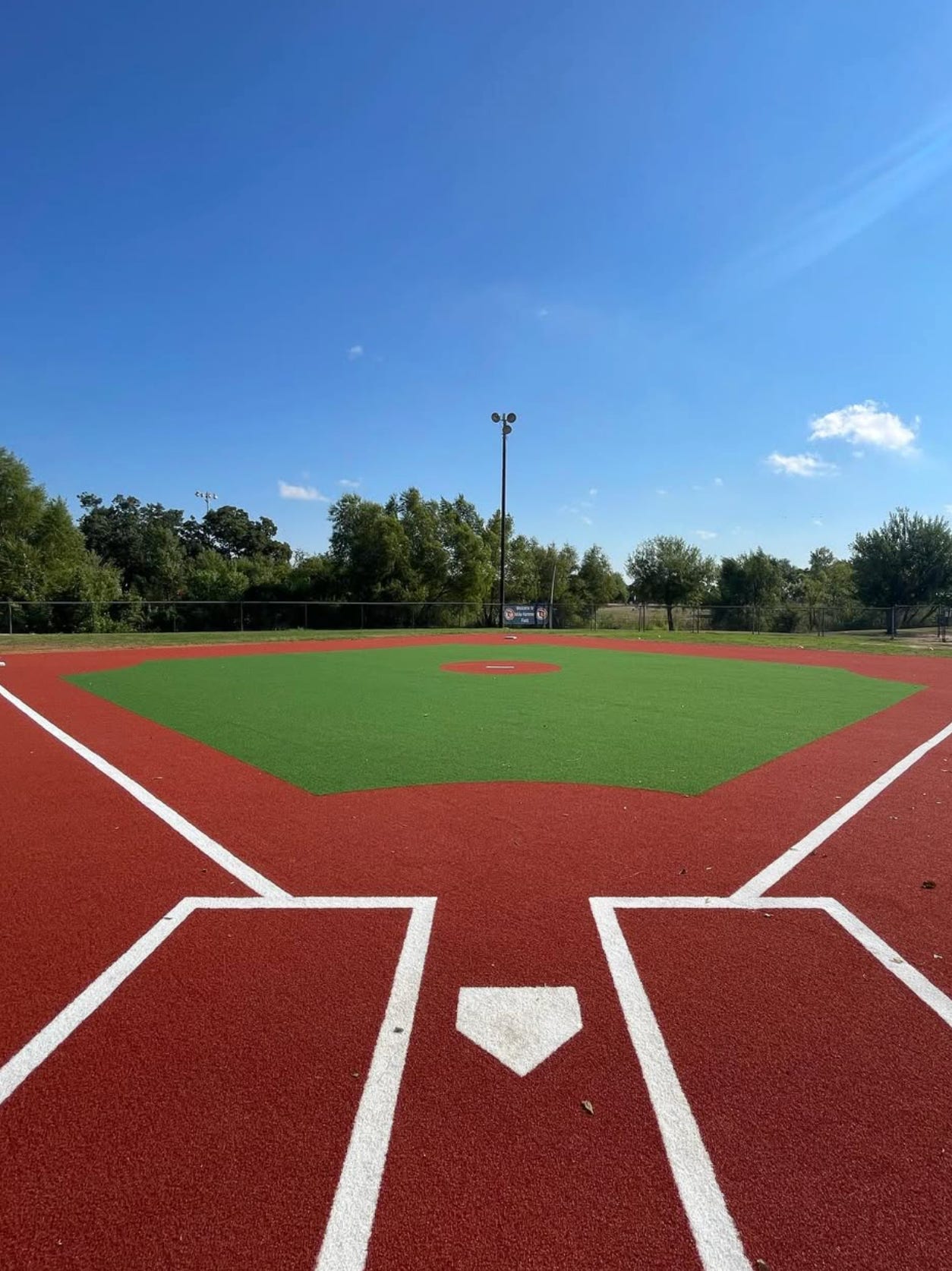
A sports field or a commercial walkway that sees hundreds of footsteps a day cannot tolerate a small margin of imperfection in grading. Compaction has to be done correctly the first time, because re-excavating a field that’s already in use is disruptive and expensive. This is one of the clearer places where asking a provider directly, “what base material are you using, and to what depth?”, tells a property manager more than the per-square-foot price on the proposal.
Drainage Planning Around Pools, Pathways, and Existing Hardscapes
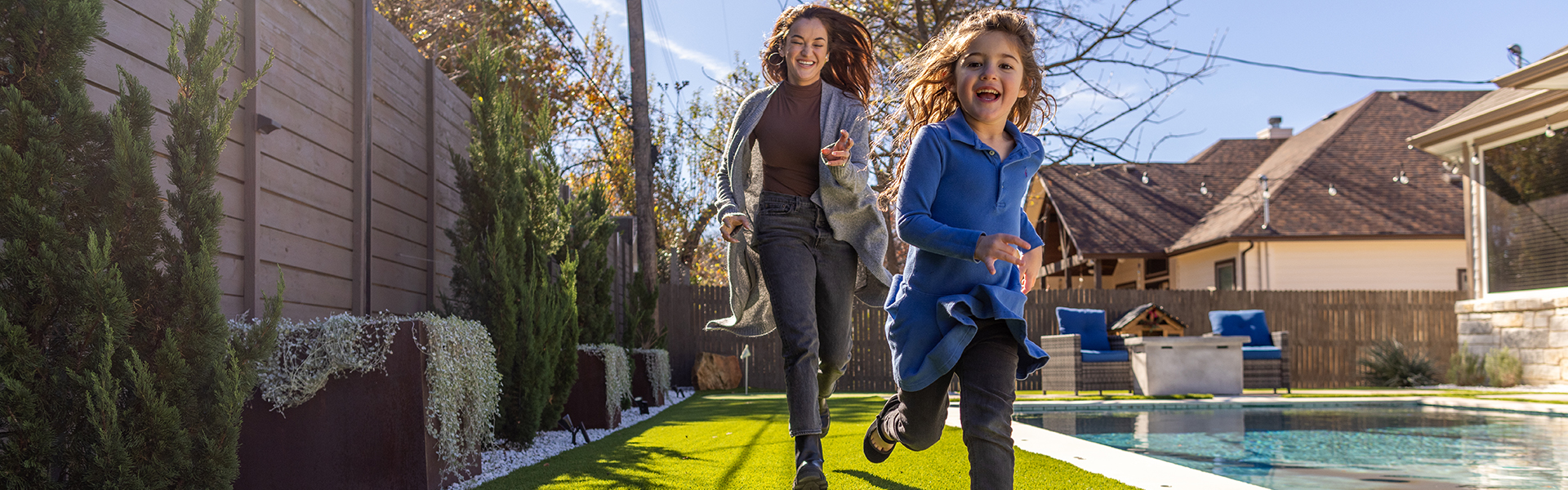
Commercial and HOA properties rarely have a blank lot to work with. There’s usually a pool deck, a retaining wall, a walking path, or a building with low-e windows nearby. Before installation begins, the Waterloo Turf team assesses how window reflections, hardscaping, and existing grading will interact with the new turf area. Low-e glass on nearby buildings can concentrate heat on a section of turf in a way that isn’t obvious from a site visit alone, and pool decking changes how water needs to move once grass is no longer absorbing it the way natural soil did. Planning drainage around these features before the base goes in avoids pooling against a building foundation or a pool edge after the first heavy Indianapolis rain.
Irrigation Lines Get Capped, Not Left Running
One detail that’s easy to miss in a commercial scope of work is what happens to the irrigation system already in the ground. Leaving old sprinkler lines active under or near new turf wastes water and can undermine the base over time. Waterloo Turf caps off existing irrigation lines in the turf area as a standard part of installation, which eliminates the ongoing water cost tied to a system that no longer serves a purpose once the lawn is synthetic. For a commercial property paying a municipal water rate across a large footprint, this is a real line-item difference, not a minor detail.
Material Choices for Indianapolis Weather and Traffic
Indianapolis summers bring stretches of high heat and humidity, and winters bring freeze-thaw cycles that stress anything installed in the ground. The turf products used are non-toxic, lead-free, and UV-stabilized, rated to perform for 12 to 20 years in hot-climate conditions. That range exists because performance depends on traffic volume and sun exposure as much as the product itself, a sports field used daily will wear differently than a low-traffic landscaped courtyard, even with identical turf.
HOA and Property Management Approval
HOA boards and property managers often have specific requirements around appearance, drainage runoff onto neighboring lots, and material specifications before approving a turf installation. Bringing documentation on base preparation, drainage planning, and material certifications to an HOA review tends to move the approval process along faster than a verbal description of the work. This is worth raising with a provider early, before a contract is signed, rather than after a board meeting stalls the project.
What “Low Maintenance” Actually Means on a Commercial Site
Synthetic turf on a commercial or sports property is low maintenance, not zero maintenance. It still needs occasional rinsing and light brushing, particularly in high-traffic areas or anywhere pets use the surface regularly. Property managers budgeting for turf should plan for this light, ongoing care rather than assuming the surface requires none at all, that distinction matters for setting expectations with tenants, residents, or facility users.
FAQs
Does commercial turf need a different base than residential turf?
The base principle is the same, compacted crushed stone or decomposed granite, never soil, but commercial and sports surfaces generally need more attention to depth and compaction given higher and more frequent traffic.
Will capping irrigation lines affect landscaping next to the turf area?
Only the lines running through the turf footprint are capped. Irrigation serving adjacent planting beds or landscaping outside the turf area is left intact and assessed separately during the site visit.
How does Waterloo Turf handle drainage near a commercial pool deck?
The team evaluates existing grading and hardscape layout around the pool before installation and plans the base and drainage path so water moves away from the deck rather than pooling against it.
Next Step for Property Managers and Facility Directors
If a commercial or sports turf bid is on the table, ask for specifics on base depth, drainage planning, and irrigation handling before comparing the total price. Waterloo Turf Indianapolis Artificial Grass can walk through those specifics for a Brownsburg or Indianapolis property during a site assessment, covering what the existing hardscape, irrigation, and grading will require before any turf is ordered.
Back