
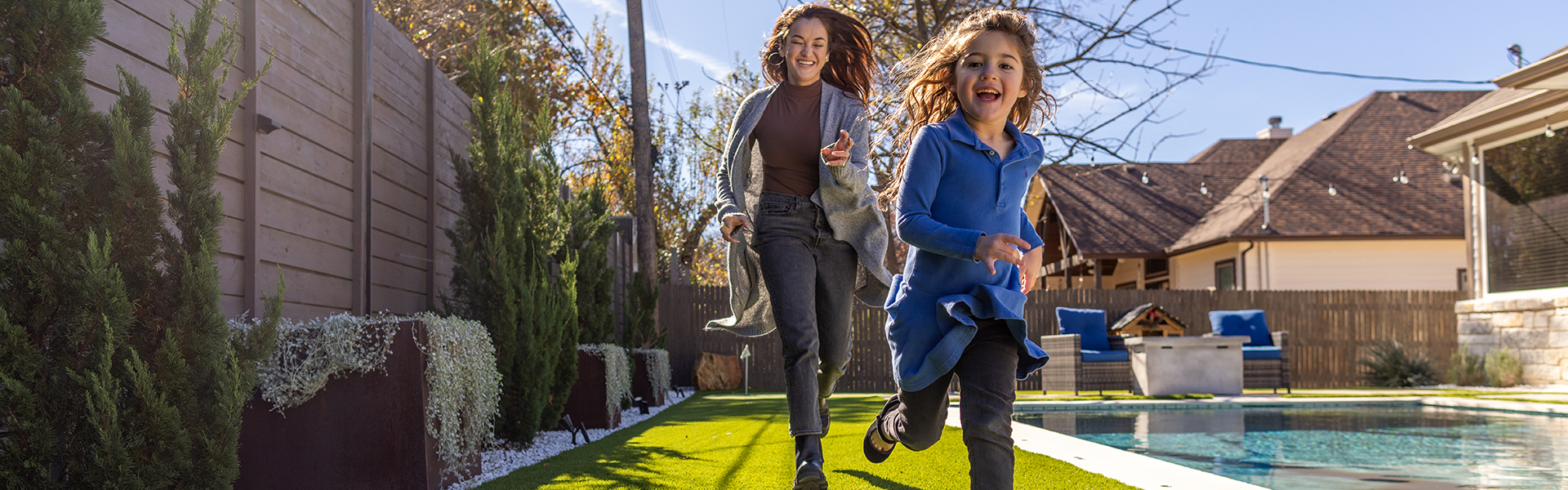
What a Correctly Installed Artificial Lawn Actually Looks Like After the First Hard Rain
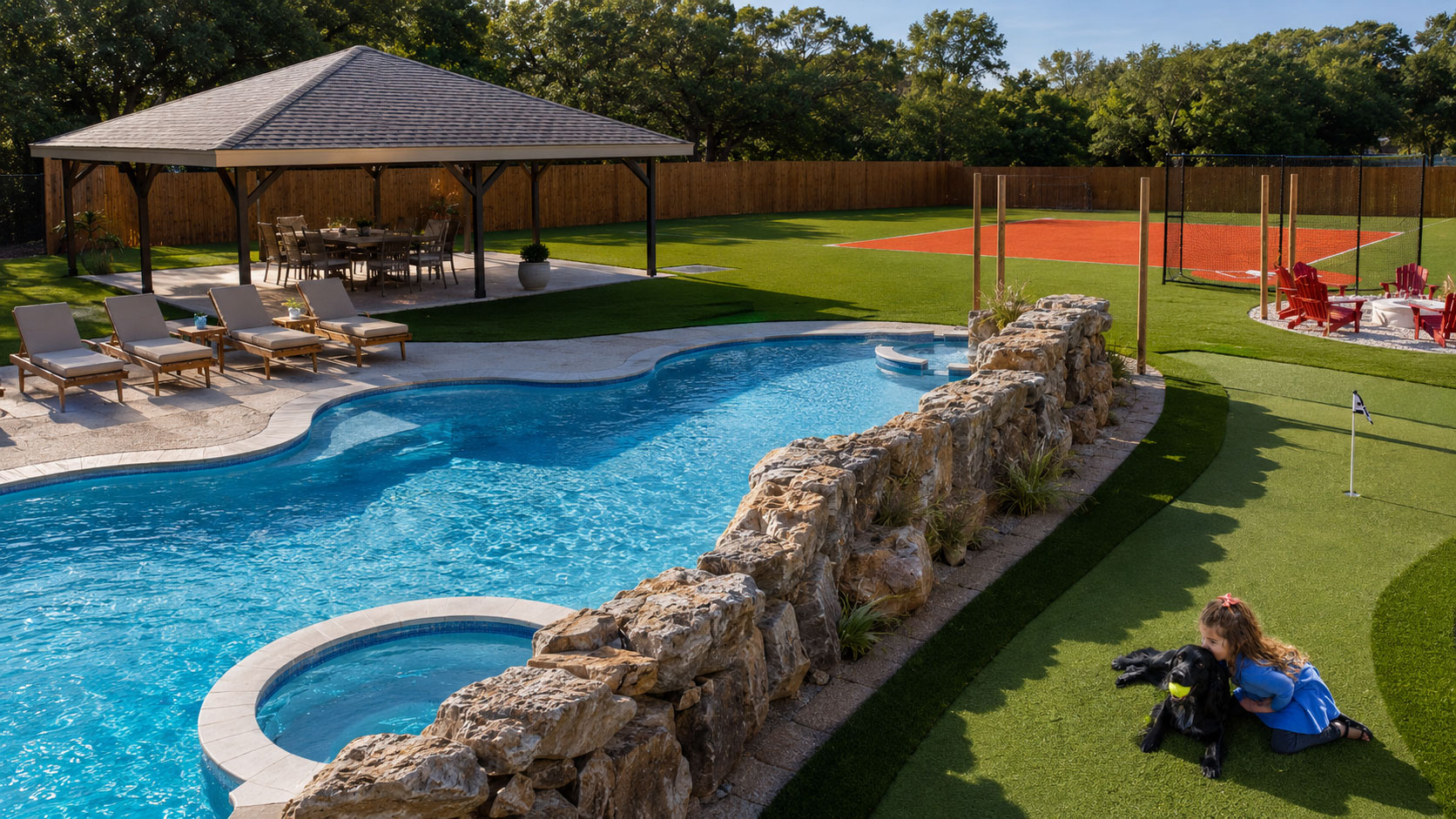
Homeowners comparing notes in landscaping forums often post the same kind of photo: new turf with visible ripples running along the edges, a soft spot near the middle of the yard, or a seam you can trace with your eyes from ten feet away. The question underneath all of it is the same one worth asking before you sign off on any installation — is this normal settling, or is this a sign the job was rushed?
In Indianapolis, the answer usually comes down to what’s underneath the turf, not the turf itself.
Where Wrinkles and Bumps Actually Come From
Most of the ripples and low spots homeowners notice trace back to one decision: what the installer put under the grass. Marion County and Hendricks County soil leans heavy on clay, and clay expands and contracts through freeze-thaw cycles all winter. Turf laid straight over dirt or an old lawn will follow that movement — it has nothing stable to hold its shape against.
This is why Waterloo Turf treats base preparation as non-negotiable rather than optional upgrade. Every install involves excavating the area and compacting a crushed stone or decomposed granite base engineered to drain and hold its grade the way natural, healthy soil would. If a yard is bumpy within a season of installation, the base is almost always the first thing worth questioning — not the grass.
Seams You Shouldn’t Be Able to Find
A correctly seamed lawn shouldn’t announce itself. Walk the perimeter and the interior seam lines at a normal standing height — if you can spot a visible line, a mismatch in blade direction, or a gap where you can see the seam tape or base material underneath, that’s a workmanship issue, not a design feature of artificial turf. Blade direction should run consistently across seamed pieces so the nap catches light the same way across the whole lawn.
Edges That Hold Their Line Near Pools and Patios
Edges are where installs tend to fail first, especially where turf meets pool decking, patio stone, or garden beds. Before cutting a single piece, a careful installer walks the yard to plan drainage around existing hardscapes and confirm the perimeter won’t pull away from pool coping or patio edges as the ground settles seasonally. If the edge nearest your pool deck already shows daylight gaps or curling corners, that planning step was likely skipped.
It’s also worth checking whether old irrigation lines were properly capped rather than left running under the turf. An installer following through on this step eliminates a homeowner’s ongoing water costs for that zone and prevents a hidden, slow leak from saturating the base from below — something you won’t see until the yard starts holding water in one specific spot.
The First Hard Rain Is the Real Test
A new lawn’s real exam happens during the first serious downpour. Water should move through the turf and drain the way it would through healthy, well-graded soil — not pool in low spots, not pond near the edges, and not sit long enough to trap pet odor. If your yard has a dog and puddles are still visible an hour after rain stops, drainage wasn’t engineered correctly at the base layer. This is also where crushed stone or decomposed granite bases earn their reputation over a straight dirt install: proper aggregate lets water pass through instead of collecting on top of compacted clay.
Fiber Color and Feel After a Full Indiana Summer
Indianapolis summers bring stretches of intense heat, and turf fiber quality shows up fastest under direct sun. UV-stabilized, non-toxic and lead-free fibers should hold color and softness through a full season without a noticeable shift toward gray or brittle texture. One detail fewer installers check: low-e window reflections. Certain window coatings on nearby homes concentrate reflected sunlight onto specific patches of a yard, and that concentrated heat can accelerate fading or even soften backing material in that one spot faster than the rest of the lawn. A thorough site assessment accounts for this before installation, not after a homeowner notices an odd discolored patch two summers later.
Low Maintenance Isn’t the Same as No Maintenance
A properly installed lawn will still need occasional rinsing and light brushing to keep fibers upright and odor-free, particularly in pet areas. Any installer or product claiming a completely maintenance-free result long-term is setting an expectation that doesn’t hold up under real use. The correct standard is low maintenance, not zero maintenance — and that distinction matters when you’re deciding whether a lawn’s upkeep needs match what you were told to expect.
If Your Lawn Doesn’t Pass This Check
If you’re evaluating a lawn already installed, walk it after a rain, check the seams at eye level, and press on a few spots to feel for sponginess that suggests a missing or thin base layer. If you’re still choosing an installer, ask directly what base material they use and whether they cap existing irrigation lines — the answers tell you more about long-term performance than any brochure will. Waterloo Turf backs its installations with the Greener Cleaner Guarantee and has built a base of more than 50 five-star reviews around exactly this kind of base-first, drainage-first approach in Indianapolis and Brownsburg yards.
FAQ
Is some bumpiness normal right after installation, or should the yard already be flat?
A correctly prepared base should leave the surface flat and stable from day one. Turf doesn’t need a settling-in period the way sod does — visible bumps at install completion point to base compaction, not curing time.
How can I tell if crushed stone or decomposed granite was actually used under my turf?
Ask to see the base before turf goes down, or ask for photos from the installer’s process. After installation, a firm but slightly springy feel underfoot with no sponge or shift is a good sign the aggregate base is doing its job.
Do Indianapolis freeze-thaw cycles cause problems for turf that’s already installed?
A lawn built on a properly compacted aggregate base is designed to handle seasonal ground movement without wrinkling. If a lawn without that base starts rippling every winter, freeze-thaw is likely exposing a base that was never adequately prepared.